
Ocean life
Why Do Great White Sharks Travel So Far?
Great whites are not simply coastal hunters. Tagged sharks have crossed thousands of kilometres, linking rich coastal feeding grounds with distant offshore waters.
By An Nguyen · Published · Updated
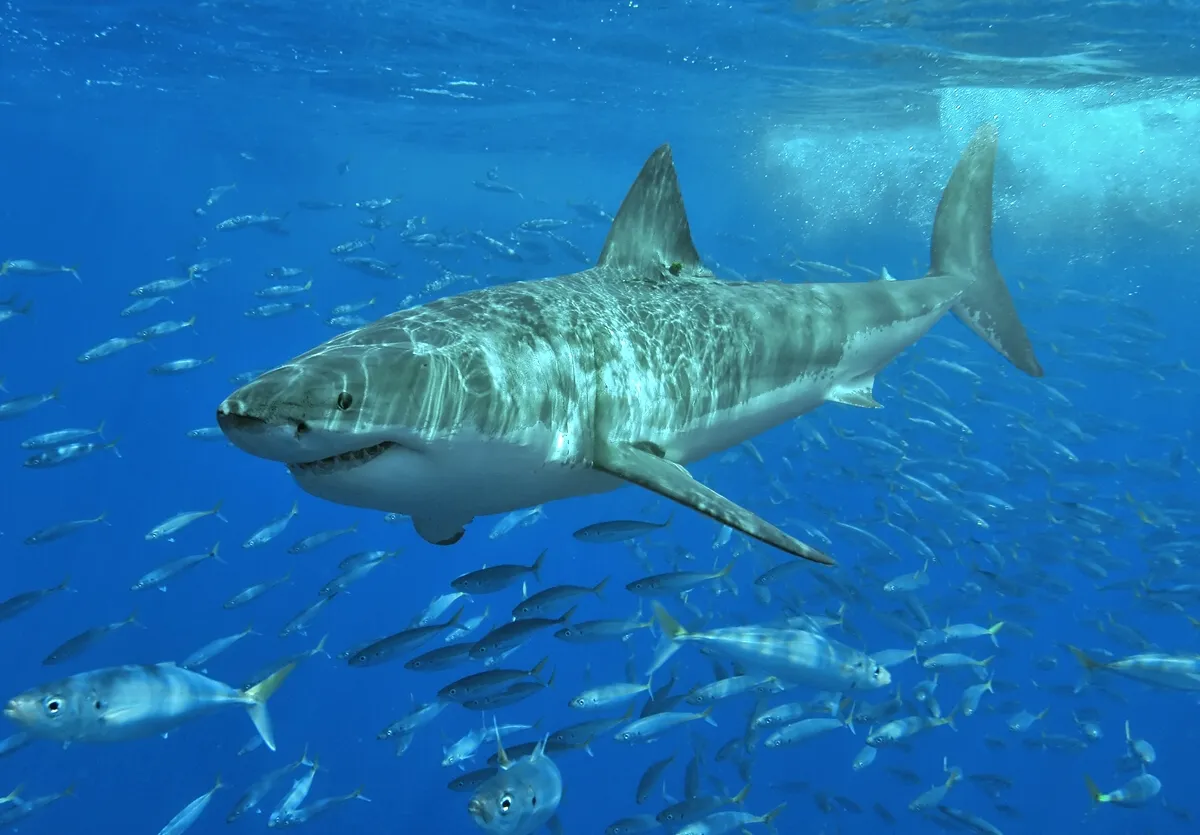
Great white sharks are often pictured close to shore, moving through seal colonies or clear coastal water. That scene is real, but it is only part of their lives. Satellite tracking changed the picture: some great whites make long trips between productive coastal feeding grounds and distant offshore waters, covering thousands of kilometres.
Great whites are not only coastal sharks
Coastal water can offer rich feeding opportunities, including fish, rays, and marine mammals. But a great white is a wide-ranging ocean animal, not a permanent resident of one bay or beach. Tracking work has documented sharks leaving the California coast and travelling as far as Hawaii before returning toward coastal waters.
The NOAA Great White Shark Track describes one early satellite-tracked journey of about 3,800 kilometres from California to Hawaii. Individual routes vary, and scientists still study exactly what drives every trip, but the evidence is clear: some great whites use a much larger ocean landscape than their coastal reputation suggests.
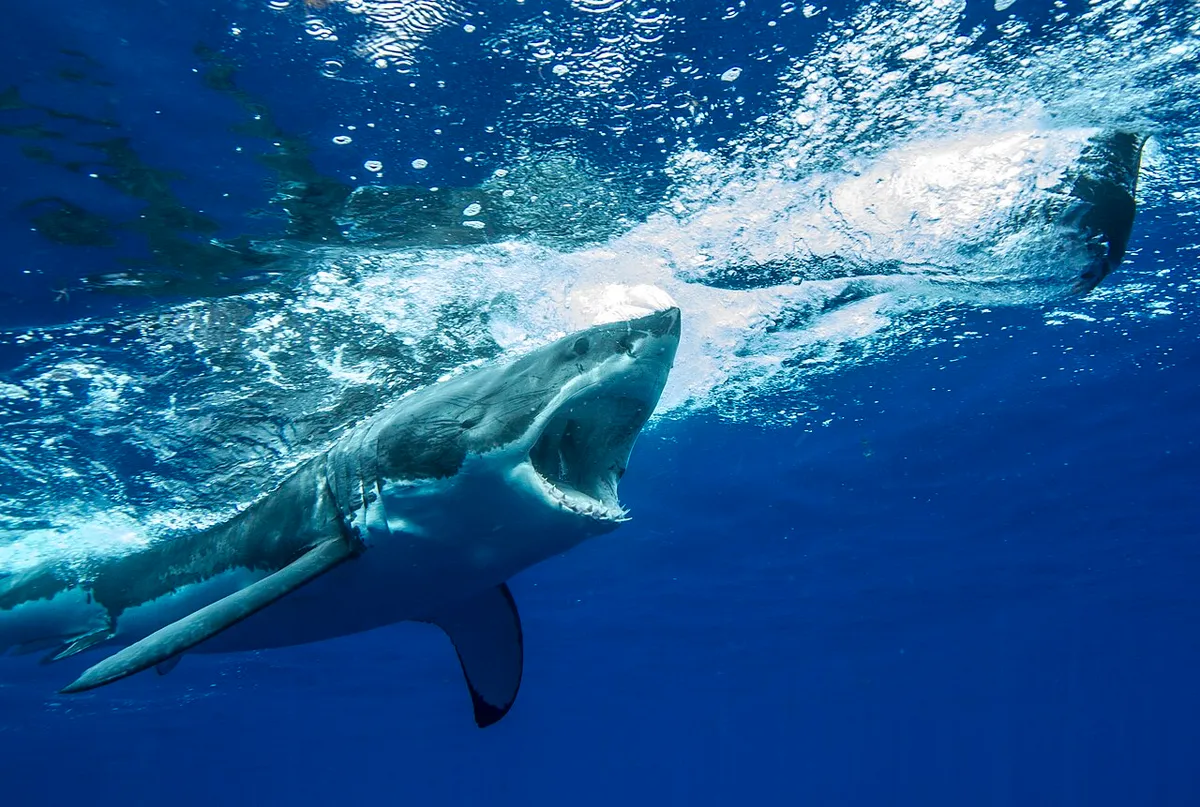
Photo by Sharkcrew via Wikimedia Commons, CC BY-SA 4.0.

Why make such a long journey?
There is no single answer that fits every shark. Long-distance movement can connect feeding areas, mating opportunities, seasonal conditions, and offshore habitat. A shark may benefit from moving when prey changes location or when a different part of the ocean offers better conditions at another time of year.
That does not mean a shark swims in a straight line from one famous coast to another. Tracking records show complex movements, including time spent offshore. The ocean is not empty between coasts: temperature, currents, depth, food, and other animals all change along the way.
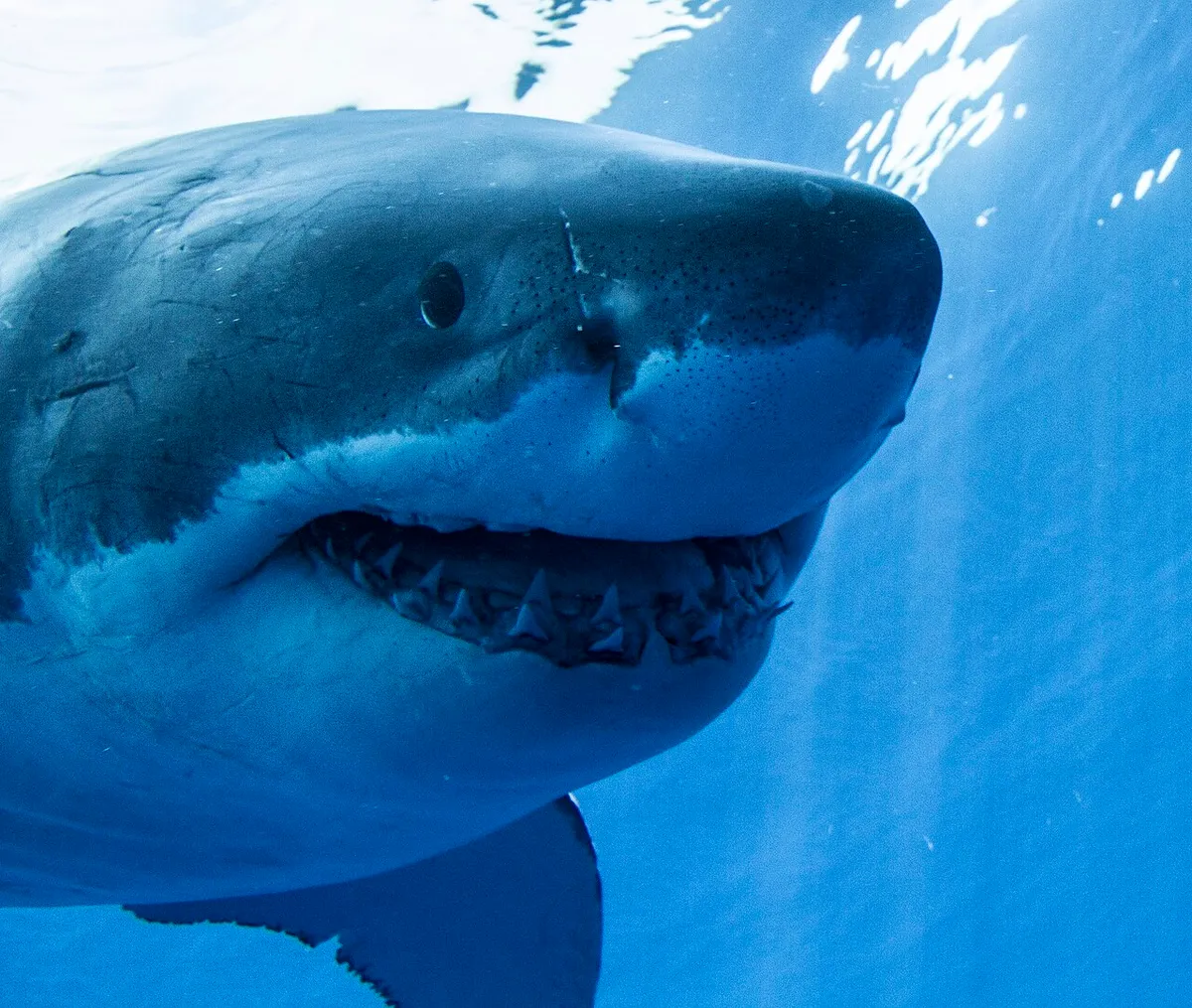
Photo by Sharkcrew via Wikimedia Commons, CC BY-SA 4.0.

A large body helps, but the trip still costs energy
Great whites are strong swimmers with a streamlined body and a tail built to generate powerful thrust. That makes ocean travel possible, but long journeys still require energy. The shark has to balance movement with opportunities to feed. This is one reason scientists pay close attention to where sharks spend time rather than only drawing a line between two tracking points.
Near the surface, a great white can accelerate quickly. That speed is useful for hunting, but its everyday travel is usually more measured. Long-range movement is about endurance and route choice, not constant bursts of speed.
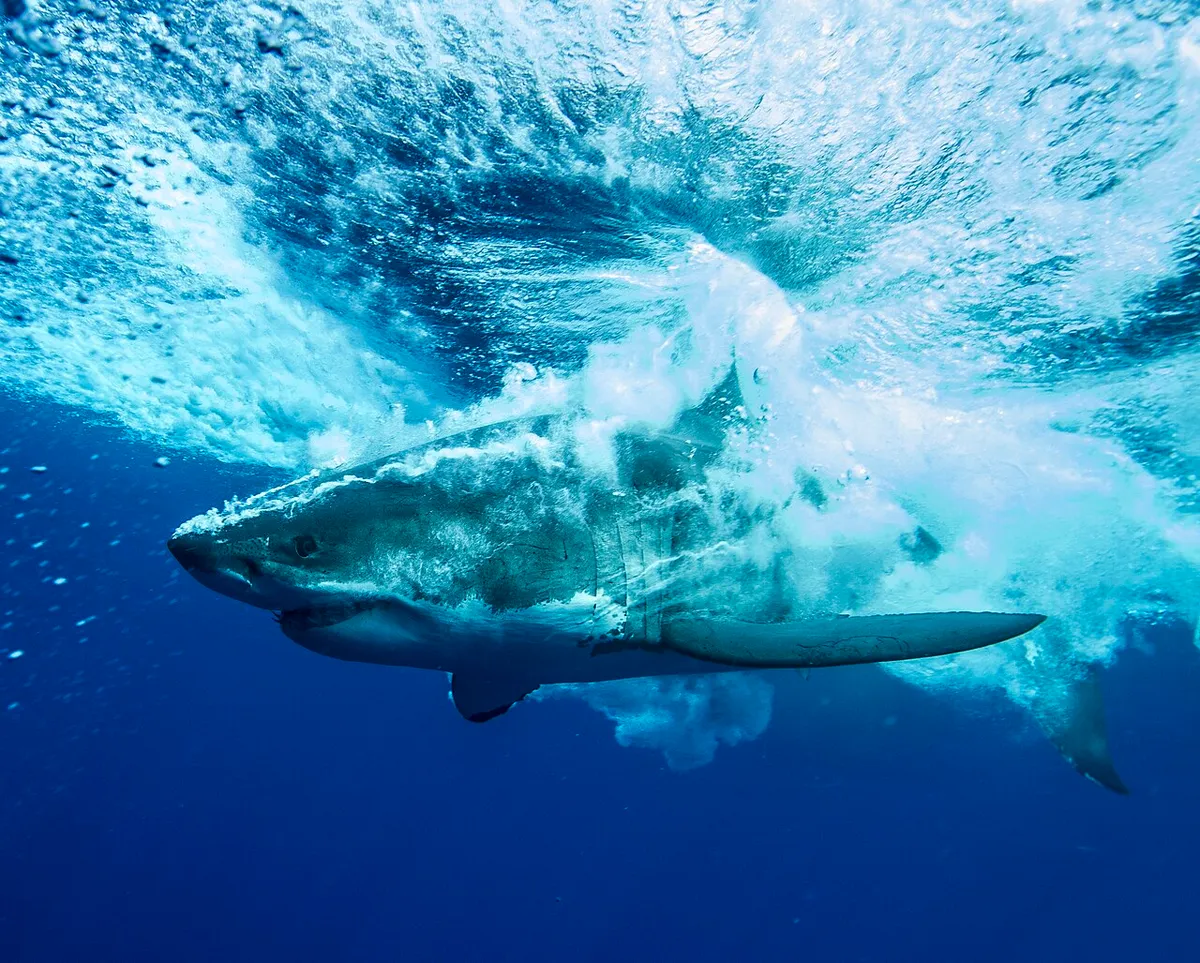
Photo by Sharkcrew via Wikimedia Commons, CC BY-SA 4.0.

How do scientists know where a shark goes?
Researchers attach satellite tags that send location or depth information after a shark reaches the surface or when a tag releases. Those records do not show every second of a shark's life, but they reveal patterns that were impossible to see when scientists could only observe sharks from boats near the coast.
Tracking does not turn a great white into a predictable animal. Two individuals can use the same broad region differently. That uncertainty is important: a map of a species' range is not the same thing as a timetable for every shark.
Why migration knowledge matters
Protection cannot focus only on the coast where people commonly see sharks. A shark that depends on both coastal and offshore waters can encounter different threats along the way, including fishing pressure, changing prey, and altered ocean conditions. Knowing where a species travels helps researchers and managers think beyond a single beach or marine reserve.
Great whites occur across broad temperate and subtropical ocean regions. Their distribution is wide, but individual populations and movement routes still need careful study.
The short answer
Great white sharks travel far because their lives connect multiple ocean habitats. Coastal feeding grounds are important, but some sharks also use distant offshore waters. Satellite tracking has shown that a great white's world can stretch across thousands of kilometres of ocean.
For size, diet, range, and conservation context, see the full great white shark profile. A predator comparison with orcas is available at orca vs great white shark.