
Animal guides
How Do Emperor Penguins Stay Warm?
An emperor penguin is insulated on its own, but the colony becomes a shared shelter when Antarctic winds intensify.
By An Nguyen · Published · Updated
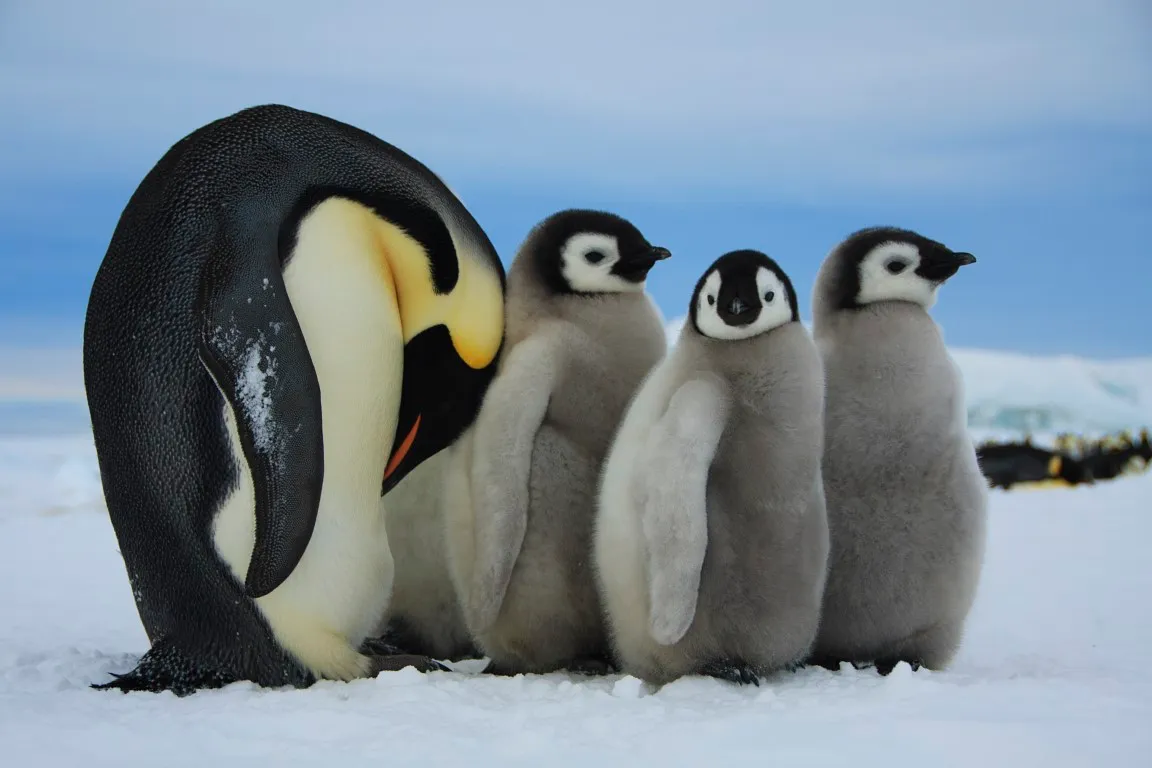
Emperor penguins breed through the Antarctic winter, when darkness, wind, and freezing temperatures make staying warm a constant job. They do not survive because they are simply “used to cold.” Their bodies reduce heat loss in several ways, and their group behaviour adds another layer of protection when the weather becomes severe.
Feathers are a penguin's first winter coat
An emperor penguin has several layers of small, scale-like feathers that trap air near the skin. That trapped air slows the movement of heat from the body to the cold air outside. The outer surface also helps shed water after a swimming trip, while a thick layer of body fat provides more insulation and stored energy.
Their shape matters too. Compared with their body size, emperor penguins have small bills and flippers, limiting the surface area that can lose heat. The Australian Antarctic Program also describes a heat-saving circulation system: blood heading toward the feet, wings, and bill is cooled before it gets there, then warmed again on the way back to the heart.
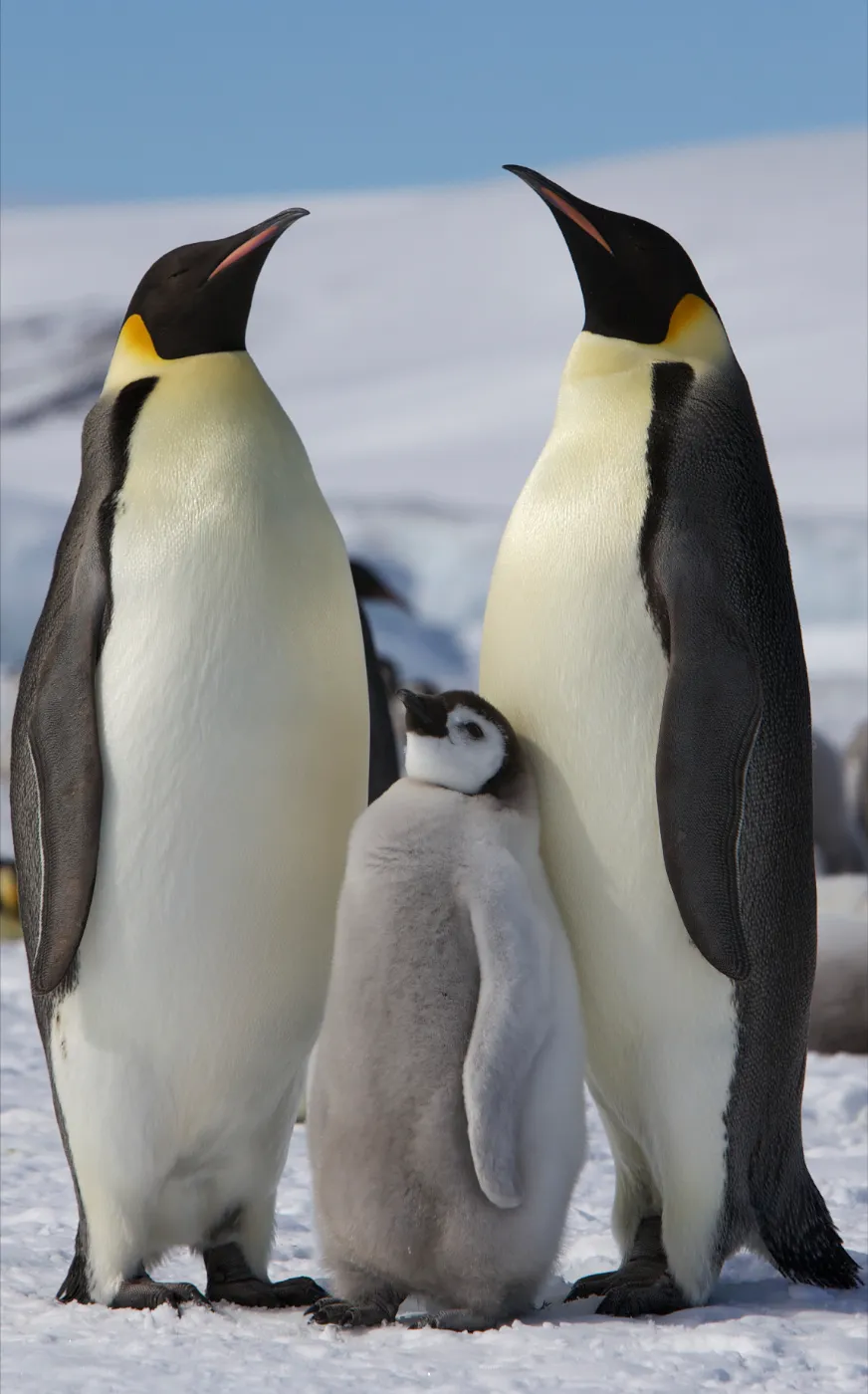
Photo by Ian Duffy via Wikimedia Commons, CC BY 2.0.

Why do emperor penguins huddle?
Insulation helps an individual bird, but a tightly packed colony changes the conditions around every bird. By standing close together, penguins expose less surface area to the wind and share the warmer air trapped in the middle of the group. On the coldest days, the centre of a huddle can be much warmer than the air outside.
The huddle is not a fixed group with one permanent warm spot. Penguins slowly shuffle and circulate through it. Birds that spend time on the cold, windy edge eventually move inward, while others take their turn outside. This movement lets the colony share the cost of facing the wind.
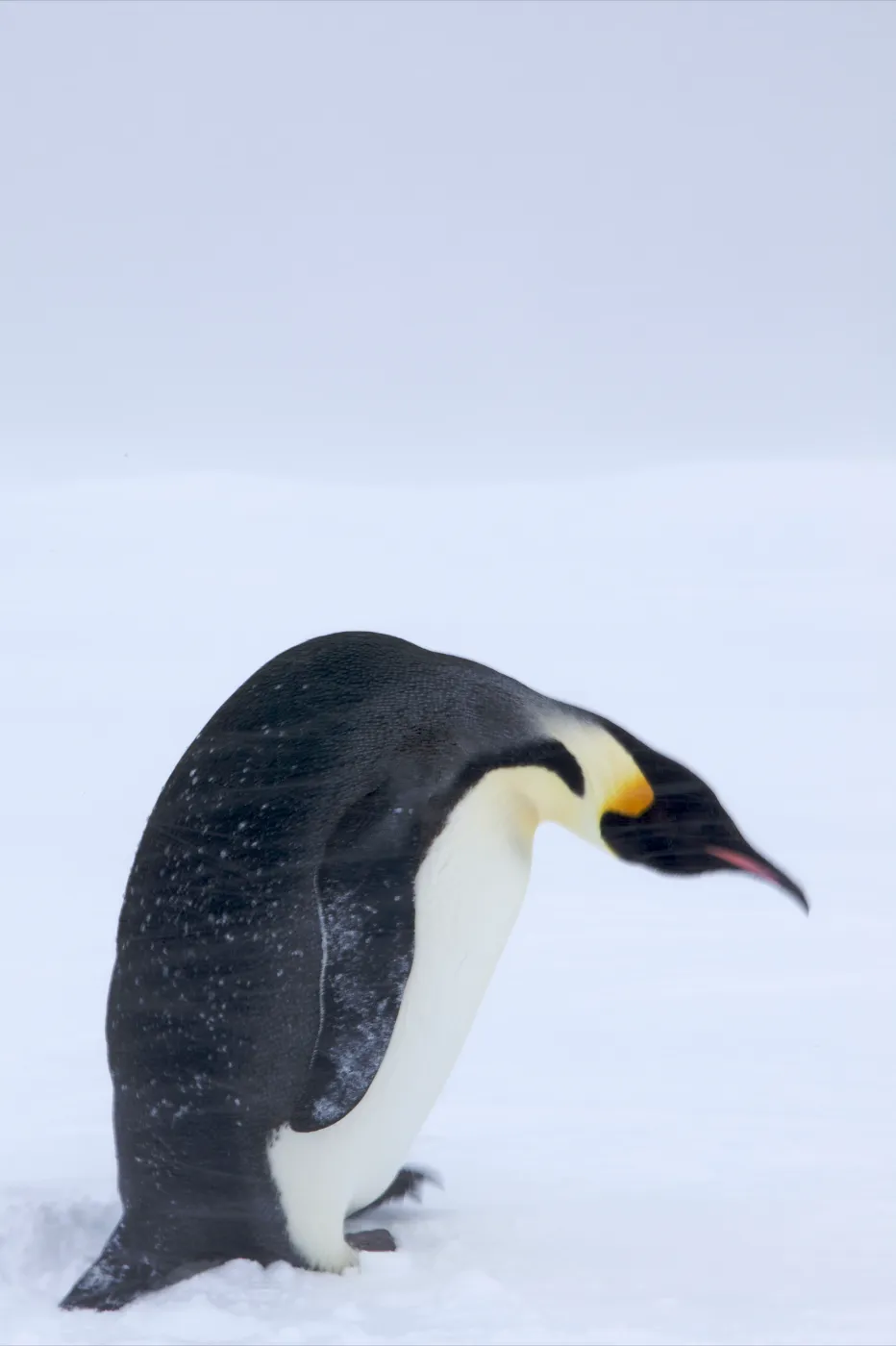
Photo by Ian Duffy via Wikimedia Commons, CC BY 2.0.

Keeping an egg off the ice
Warmth is especially important during breeding. Emperor penguins do not build a nest on the ice. After the female lays a single egg, the male balances it on his feet and covers it with a fold of skin. This keeps the egg away from the ice while the male stands through part of the winter fast.
The system only works because several adaptations work together: insulation, stored body fat, lower activity during winter, careful handling of the egg, and a colony that can form a huddle in a storm. The bird is not fighting the Antarctic winter with one trick.
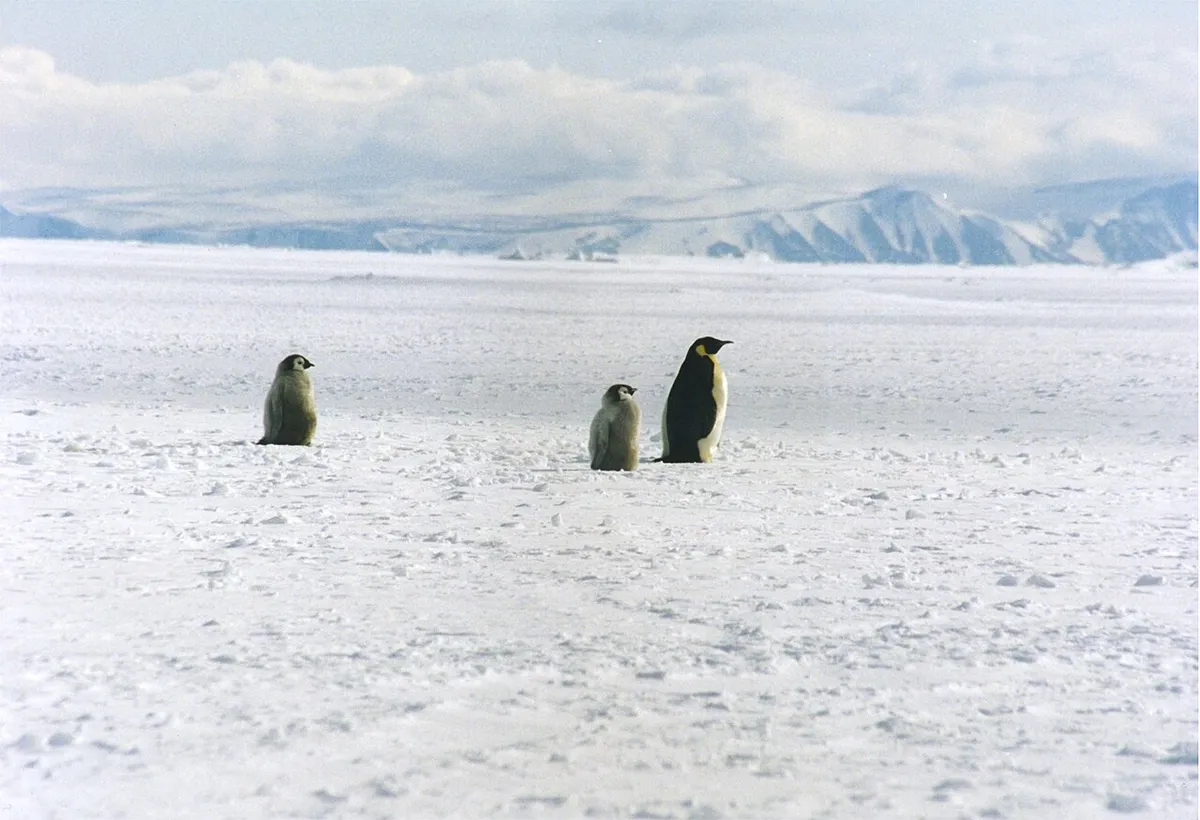
Photo by Brocken Inaglory via Wikimedia Commons, CC BY-SA 3.0.

Why chicks still need the colony
Insulation and huddling protect adults, but chicks begin life with a different problem. A newly hatched chick depends on parental care and the pocket of warmth created on the adult's feet. As chicks grow, they form crèches of their own, which again reduces heat loss by packing bodies together.
None of these behaviours replaces good feathers or fat stores. They stack on top of them. The Antarctic winter is cold enough that missing any layer—individual insulation, egg care, or shared huddles—would make breeding far more costly.
The short answer
Emperor penguins stay warm through dense feathers, fat, heat-saving blood flow, and shared huddles. Their breeding behaviour protects an egg from the ice, while the colony helps every adult endure the wind long enough to raise the next generation.
For size, diet, breeding cycle, and conservation status, see the full emperor penguin profile. Other penguins are grouped under the family hub Spheniscidae.