
Animal guides
Why Do Snow Leopards Have Long Tails? Balance & Warmth
A snow leopard's long tail acts as a counterbalance on cliffs and an insulated wrap during rest.
By An Nguyen · Published · Updated
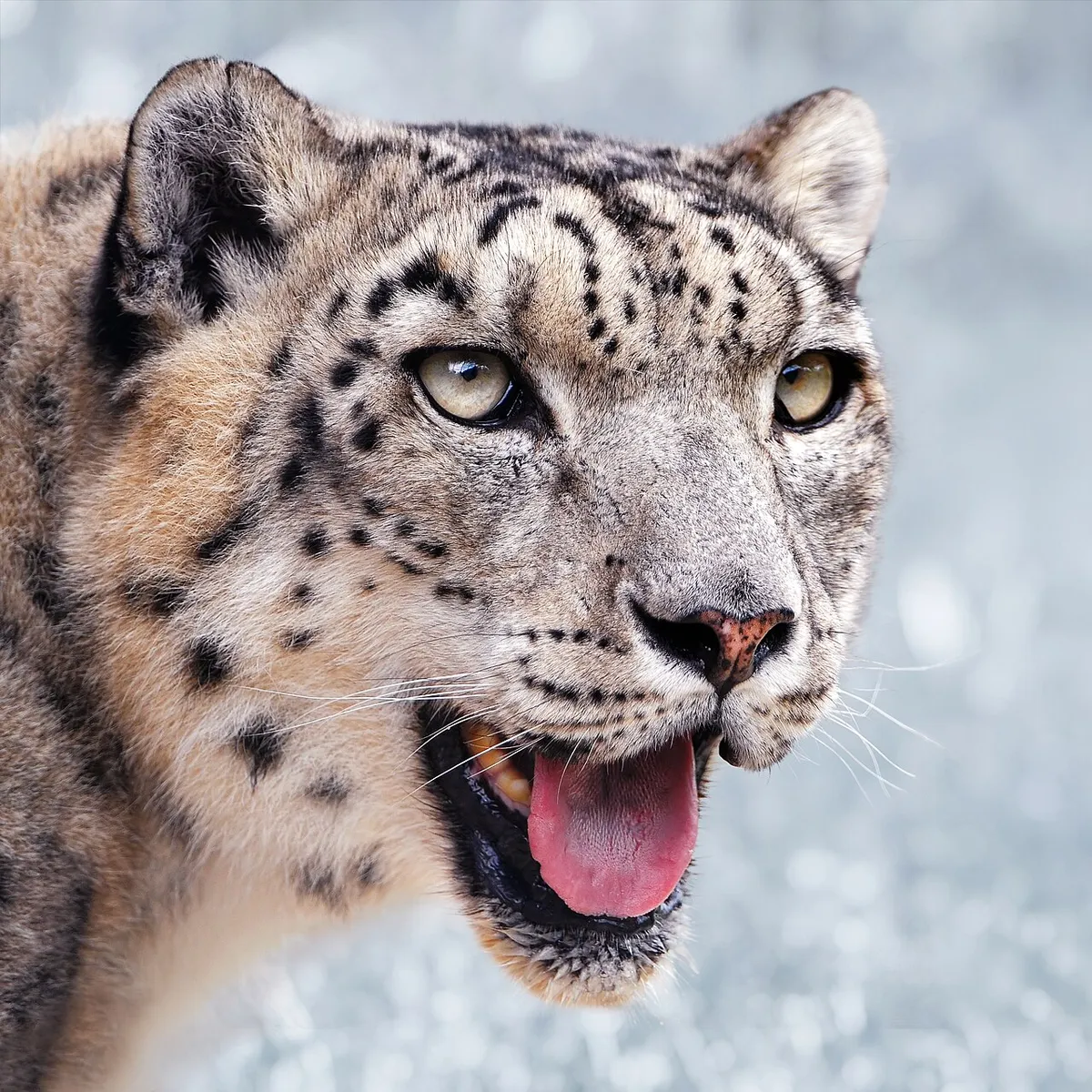
Snow leopards have long, thick tails for two main reasons: balance and warmth. The tail acts as a counterbalance when the cat turns or leaps across steep mountain terrain, and its dense fur lets a resting snow leopard wrap the tail around its body and face to reduce heat loss.
Compared with many other big cats, a snow leopard's tail is unusually thick and long, reaching up to about 3.5 feet and nearly matching the body in length. The same body part helps the cat control movement on broken ground and retain warmth in freezing conditions.
Balance on steep ground
A snow leopard does not hunt on flat open plains. It moves through rugged mountain habitat where a jump or sharp turn may happen on a narrow ledge. In that kind of terrain, a tail can act as a counterbalance.
When the cat turns, climbs, or leaps, the tail helps stabilize the body. This is especially useful during sudden changes in direction. It does not make the animal immune to risk, but it improves control in places where footing is difficult.
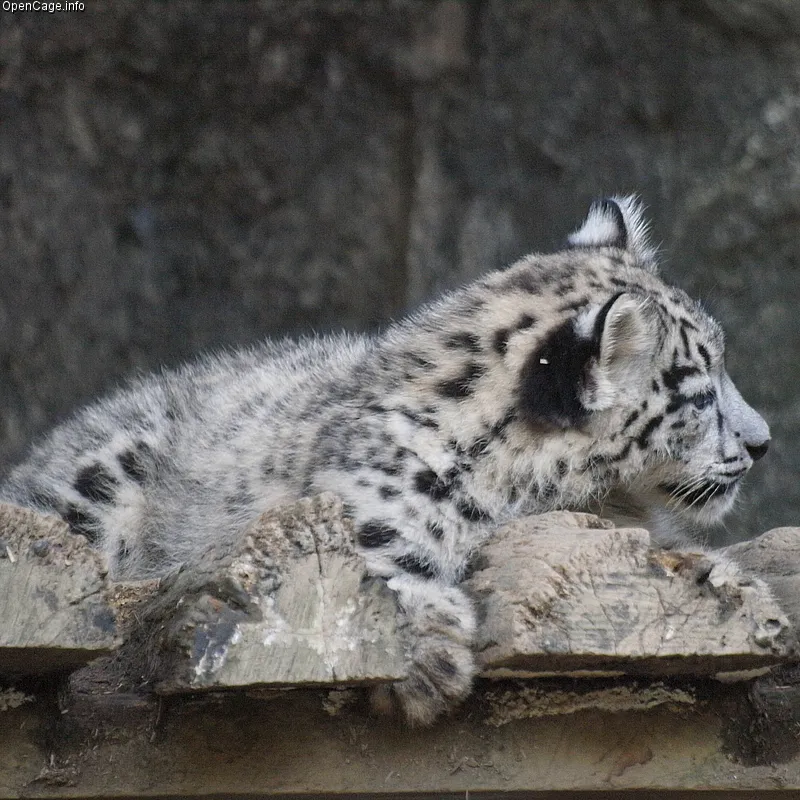
Photo via Wikimedia Commons, CC BY 2.5.

A balance tool and a warm wrap
The tail is also thickly furred. A resting snow leopard can curl it around the body or over the face, reducing heat loss in cold mountain air. This matters because snow leopards live in habitats where temperatures can drop sharply.
That cold-weather role fits the rest of the animal's body. Snow leopards have dense fur, broad paws that help on snow, and a stocky build compared with very lean running cats. The tail is part of that mountain toolkit.
Why not every cat has a tail like this
Not every cat needs the same equipment. A cheetah uses its tail for steering at high speed on open ground. A leopard may use balance while climbing trees. A snow leopard faces a different mix of cliffs, cold, snow, and long jumps across broken terrain.
The tail is therefore larger and more heavily furred than many people expect. It is not only for display, and it is not just a leftover trait. It supports the way the animal moves and rests.
This is also why photos of snow leopards often show the tail as a major part of the animal's outline. In a compact mountain cat, the tail can look almost as important as the torso. Functionally, that impression is not far off.
The key point is habitat. A long, heavy tail would be less useful for an animal built mainly for flat-ground sprinting, but it makes sense for a cat that has to cross ledges, stalk prey on slopes, and rest in exposed cold.
Length is only useful with the right body
Tail length alone would not create a mountain specialist. Snow leopards combine the long tail with powerful hind limbs, a deep chest, and a relatively short muzzle. Prey such as blue sheep and ibex live on the same steep ground, so the cat has to move where the food is rather than wait on easy flats.
That ecological pairing matters for conservation as much as for anatomy. Protecting snow leopards means protecting connected mountain ranges where both predator and prey can travel. A remarkable tail cannot compensate for fragmented habitat.
The short answer
A snow leopard's long tail helps it balance on steep, rocky ground and conserve warmth when temperatures fall. It is both a movement tool and a cold-weather wrap.
For range, prey, behaviour, and conservation status, see the full snow leopard profile. Other cats in the same family are grouped under Felidae.