
Mustelidae Animals

Families hub

Mustelidae Animals

Explore mustelids through contrasting aquatic, forest, and savanna adaptations, diets, and behavior.

Species listed
4
Diet mix
2 carnivore · 2 omnivore
Updated
August 2026

4 related species in this hub

Overview

A flexible carnivore family

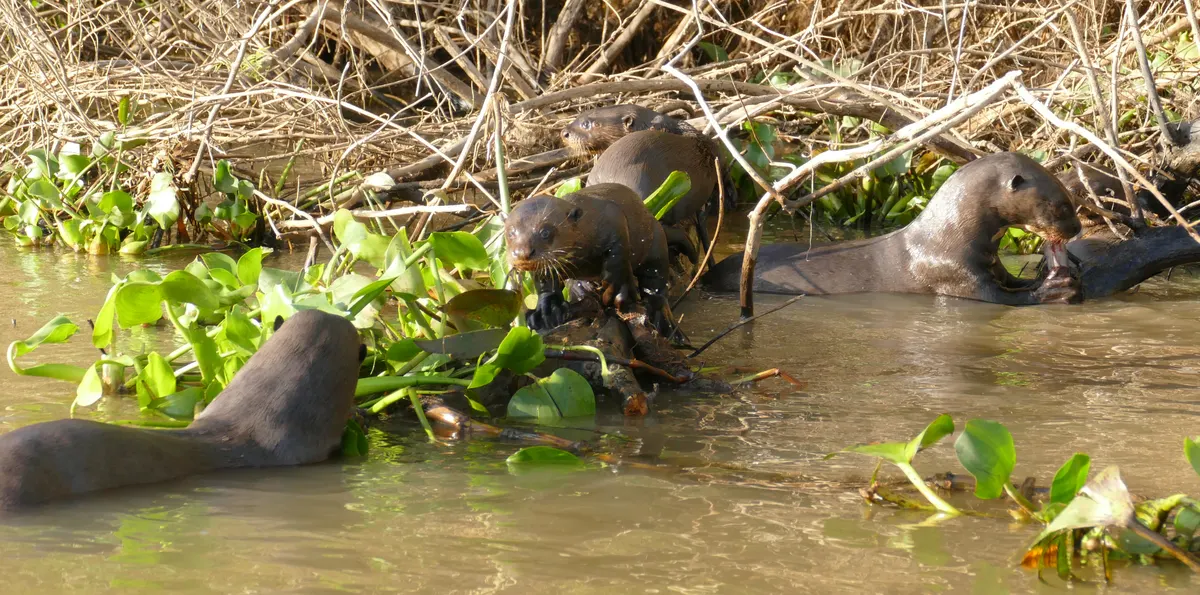
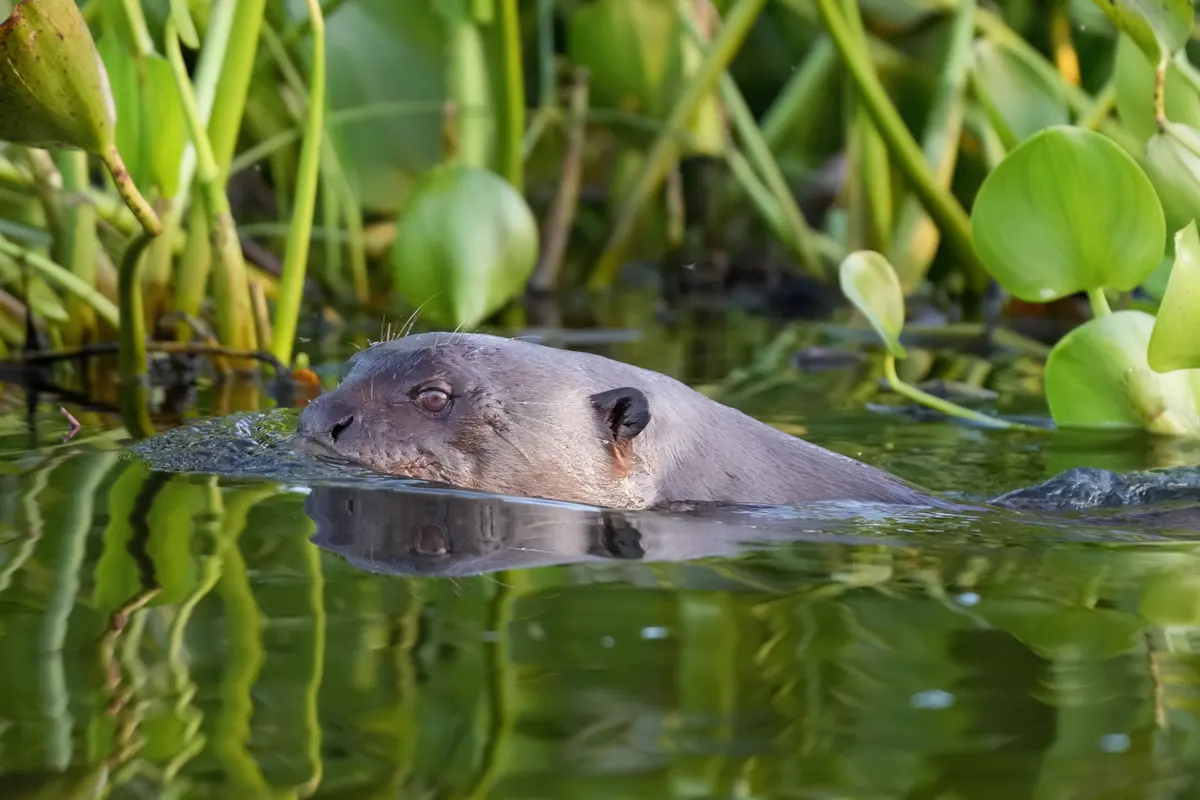
Mustelidae includes weasels, badgers, otters, martens, and wolverines. The WildlifeDB profiles show how widely the same family has diversified: the marine Otter, the cold-country Wolverine, the digging Honey Badger of African and Asian savannas and scrub, and the Giant Otter, the family's longest member, which hunts in noisy family groups along Amazon rivers.

Many mustelids have elongated bodies, short limbs, strong scent glands, and teeth suited to animal prey. Those shared traits are starting points rather than a single lifestyle.

Start here

Featured species

3 entry points into this cluster — each profile has range, diet, behavior, and conservation detail.

Species directory

All 4 animals in this hub

Flagship species appear first. Open any card for range maps, diet, behavior, and conservation status.

Field guide

Ecology & context

Adaptations, threats, and comparisons — background for readers who want more than the species directory.

Water, snow, and dry ground

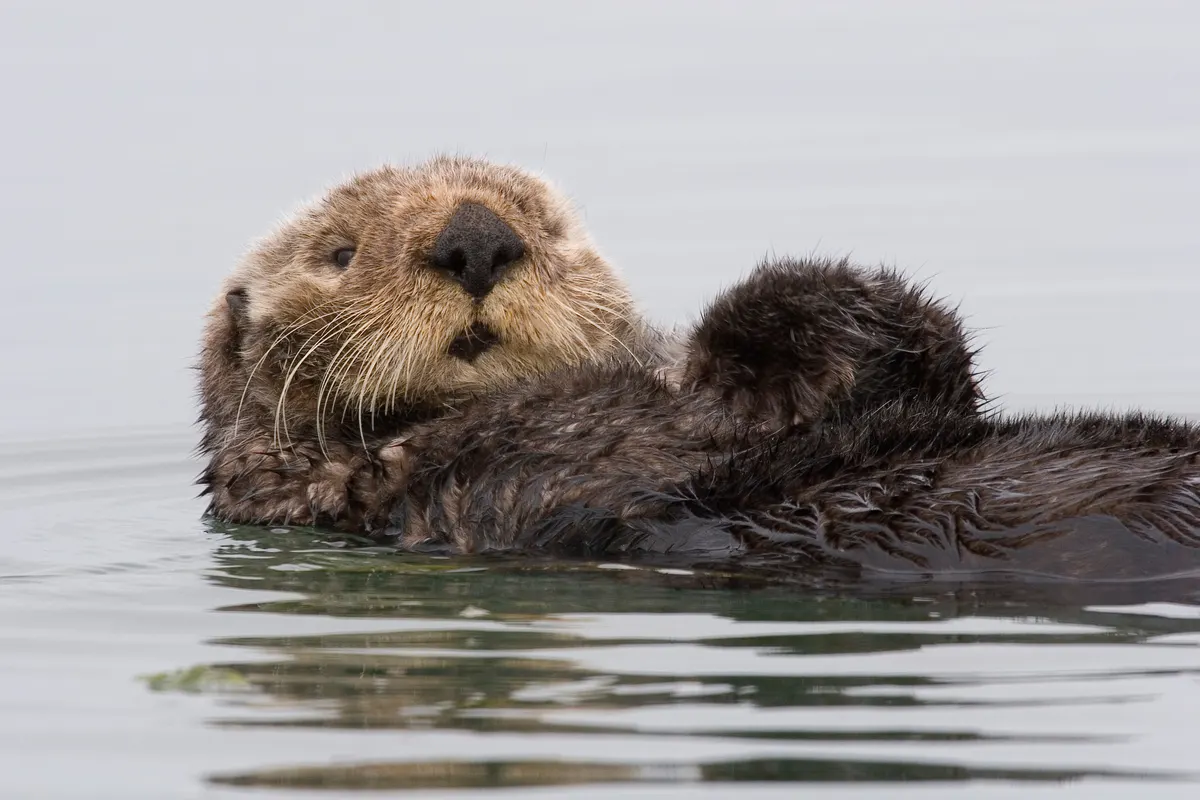
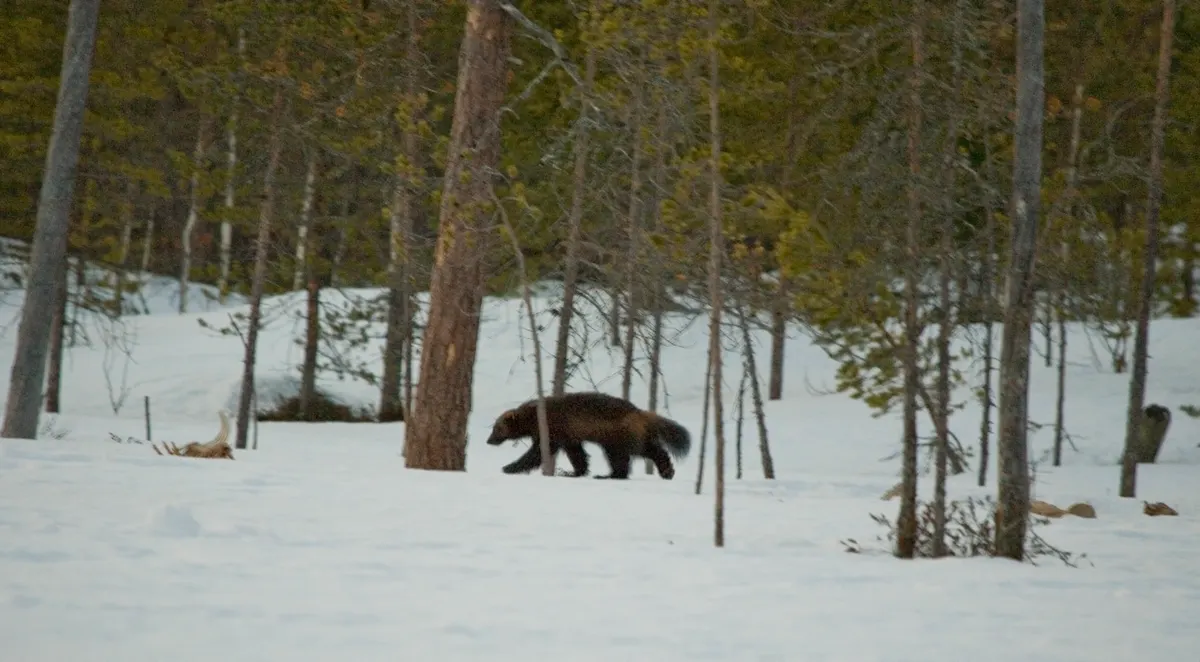
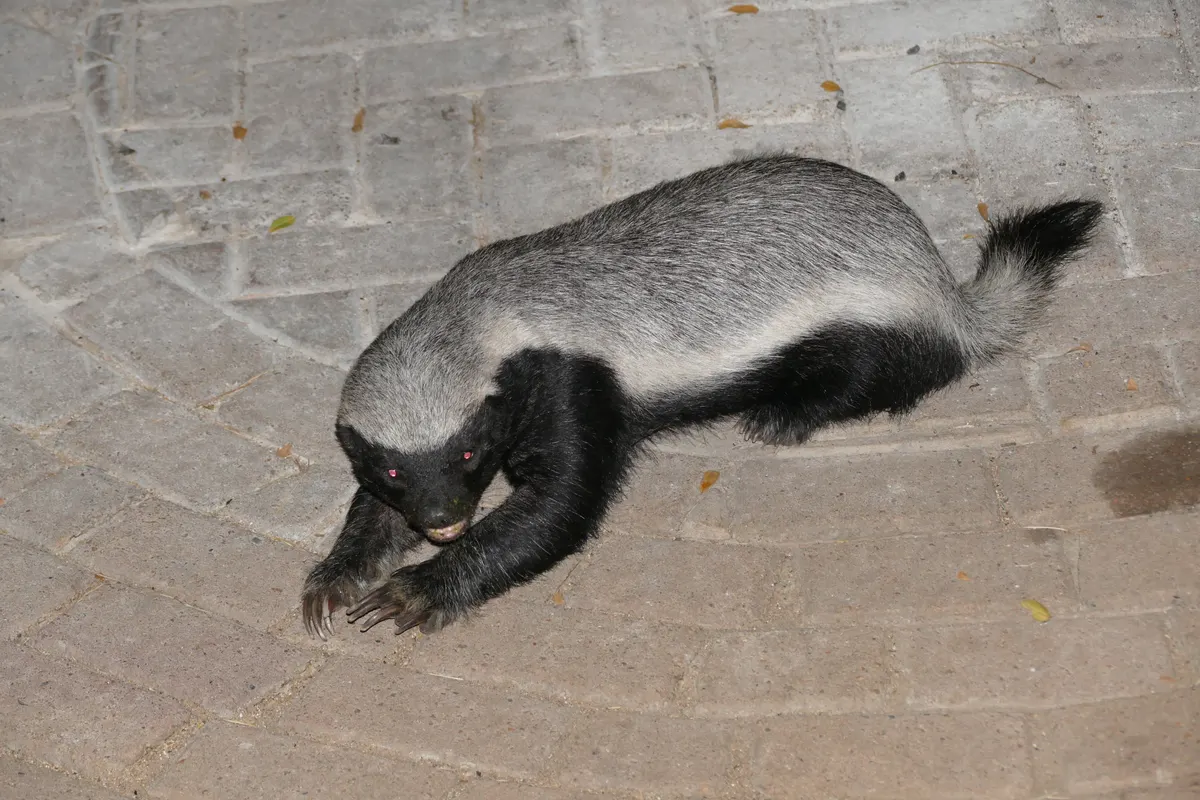
Sea otters spend nearly their entire lives in coastal water. Dense fur provides insulation, hind feet act as paddles, and stones may be used to open shellfish. Wolverines cross deep snow and large northern territories, scavenging carcasses and hunting when opportunities arise. Honey badgers dig into hard ground, tear open nests, and handle prey with thick loose skin and strong foreclaws.

The range of habitats—from coast to forest and savanna—makes Mustelidae one of the clearest examples of adaptive variety within Carnivora.

Diet and ecological role

Sea otters are carnivores that feed on urchins, crabs, clams, and other marine invertebrates. Wolverines and honey badgers are opportunistic omnivores, although animal food and carrion remain important. Each can influence its ecosystem differently: otters help limit sea urchins, wolverines redistribute carrion, and honey badgers excavate soil while foraging.

Conservation status also varies. Sea otters remain Endangered globally in the site record, while wolverines and honey badgers are more widespread but still affected locally by persecution, habitat change, and conflict.

Common Questions

FAQ about Mustelidae Animals

Select a question to reveal the answer.

Are otters, wolverines, and honey badgers related?

Yes. All belong to Mustelidae, despite their very different habitats and body proportions.

Are all mustelids strict carnivores?

No. Many eat mixed diets when fruit, roots, insects, eggs, or carrion are available.

Where should I start?

Read Otter for marine tool use, Wolverine for snow travel, and Honey Badger for digging and defensive behavior.

Keep exploring

Related hubs

Same cluster, different angle — open a diet or habitat hub to compare species side by side.