
Strigidae Animals

Families hub

Strigidae Animals

Compare true owls through hearing, silent flight, hunting, habitats, and seasonal behavior.

Species listed
2
Diet mix
2 carnivore
Updated
July 2026

2 related species in this hub

Overview

The true owl family

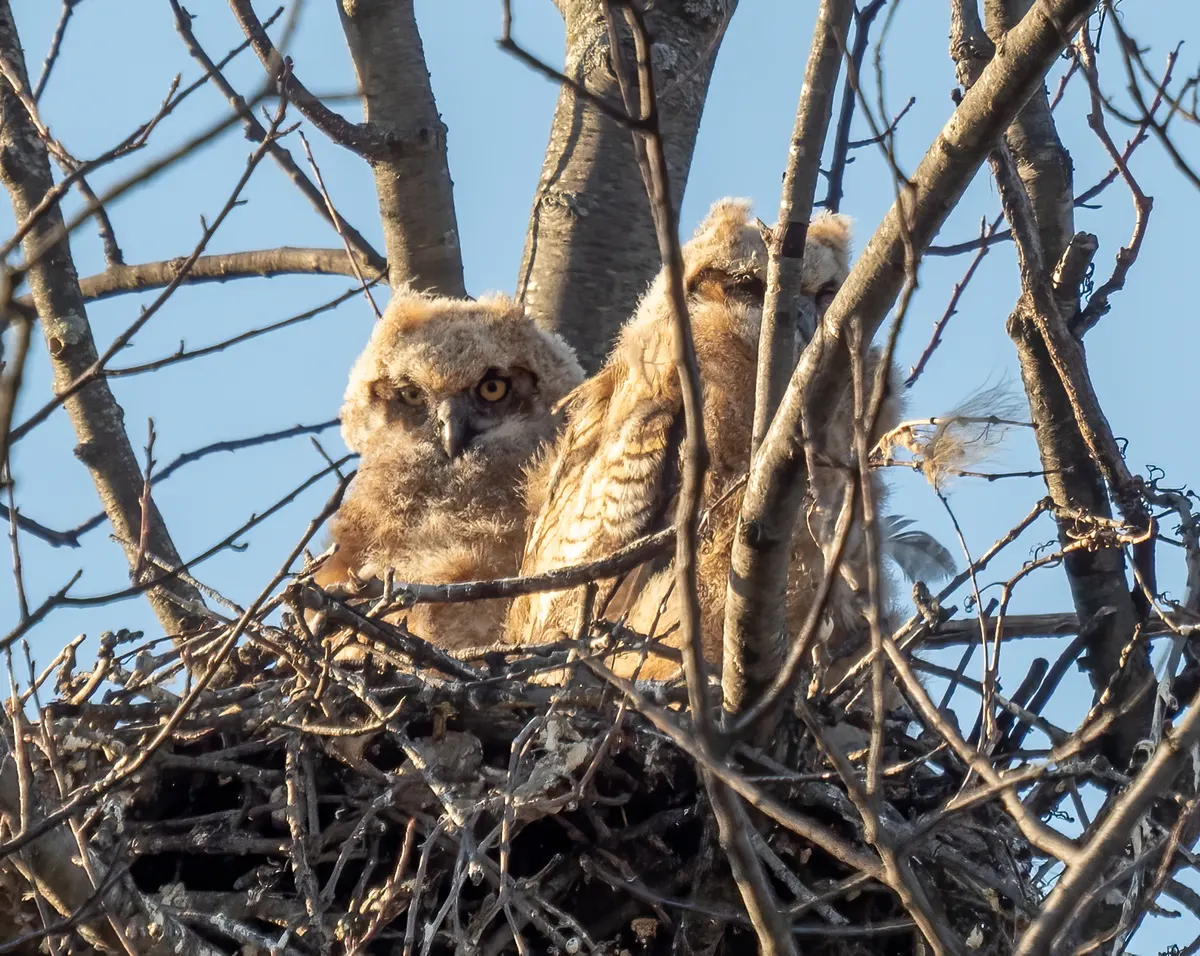
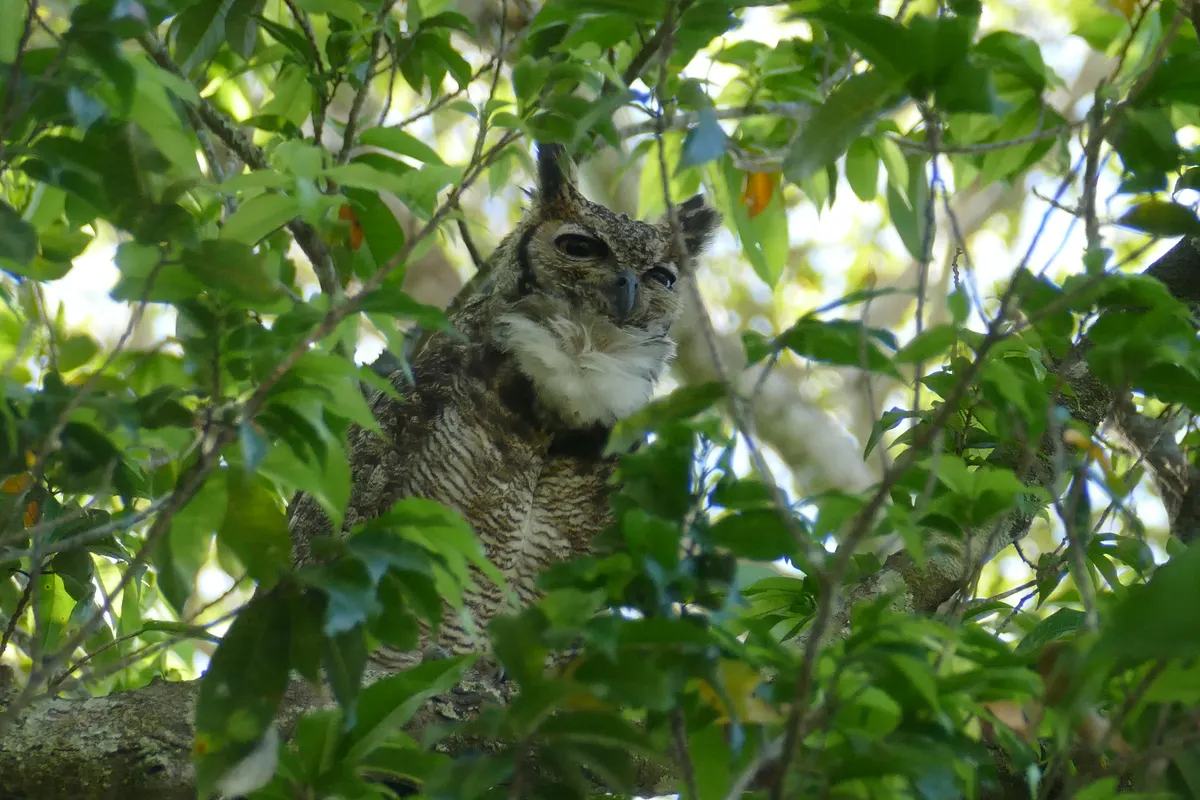
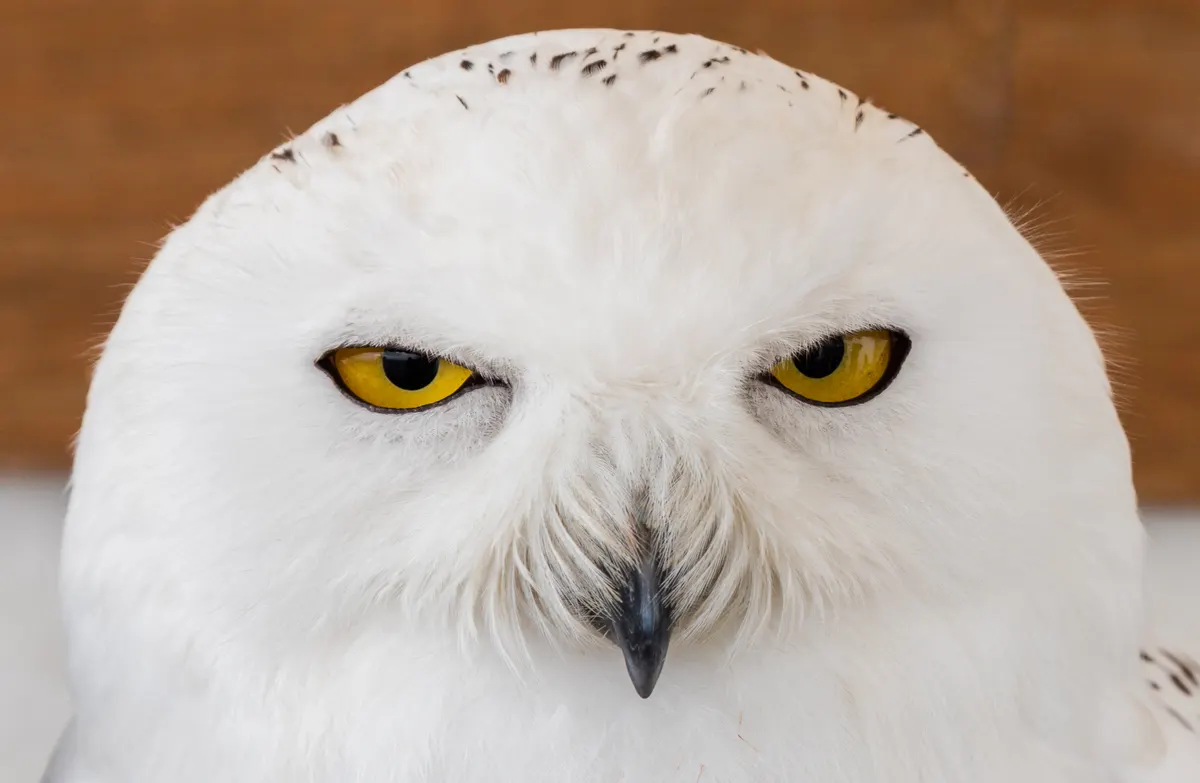
Strigidae contains the true owls, one of the two living owl families. The Owl profile follows the great horned owl across the Americas, while the Snowy Owl profile moves north to open Arctic tundra. Both belong to the genus Bubo, yet their plumage, activity, prey, and seasonal movements reflect very different landscapes.

Large forward-facing eyes support precise distance judgment, but hearing is equally important. A facial disk channels sound toward the ears, and soft feather edges reduce flight noise as the bird approaches prey.

Start here

Featured species

2 entry points into this cluster — each profile has range, diet, behavior, and conservation detail.

Species directory

All 2 animals in this hub

Flagship species appear first. Open any card for range maps, diet, behavior, and conservation status.

Field guide

Ecology & context

Adaptations, threats, and comparisons — background for readers who want more than the species directory.

Forest ambush and tundra pursuit

Great horned owls usually hunt from a perch in forest, woodland, desert edges, farmland, and cities. Their broad diet includes rodents, rabbits, birds, and other animals. Snowy owls hunt across open polar ground, often using low rises as lookout points for lemmings and birds.

Snowy owls may be active in daylight during the Arctic summer, so “owl” does not always mean strictly nocturnal. Great horned owls are more consistently associated with dusk and night, although weather, season, and prey can shift activity in either species.

Feathers, feet, and seasonal movement

Both are carnivores with strong feet and sharply curved talons. Snowy owls carry dense feathering over the legs and toes for insulation, while pale plumage breaks up the body against snow and tundra. Great horned owls use mottled brown patterning among bark and shadow.

Some snowy owls remain in the Arctic; others move far south in winter, with occasional irruptions bringing unusually large numbers into temperate regions. Great horned owls are generally resident and defend established territories year-round.

Common Questions

FAQ about Strigidae Animals

Select a question to reveal the answer.

Are snowy owls and great horned owls closely related?

Yes. Both are true owls in Strigidae and are currently placed in the genus *Bubo*.

Do all owls hunt only at night?

No. Snowy owls often hunt by day, especially during the long daylight of the Arctic breeding season.

Where should I start?

Read Owl for woodland ambush hunting and Snowy Owl for tundra ecology and winter irruptions.

Keep exploring

Related hubs

Same cluster, different angle — open a diet or habitat hub to compare species side by side.