
Spheniscidae Animals

Families hub

Spheniscidae Animals

Explore the Spheniscidae penguin family through swimming anatomy, breeding systems, diets, habitats, and conservation across Southern Hemisphere species.

Species listed
2
Diet mix
2 carnivore
Updated
August 2026

2 related species in this hub

Overview

Flightless seabirds built to swim

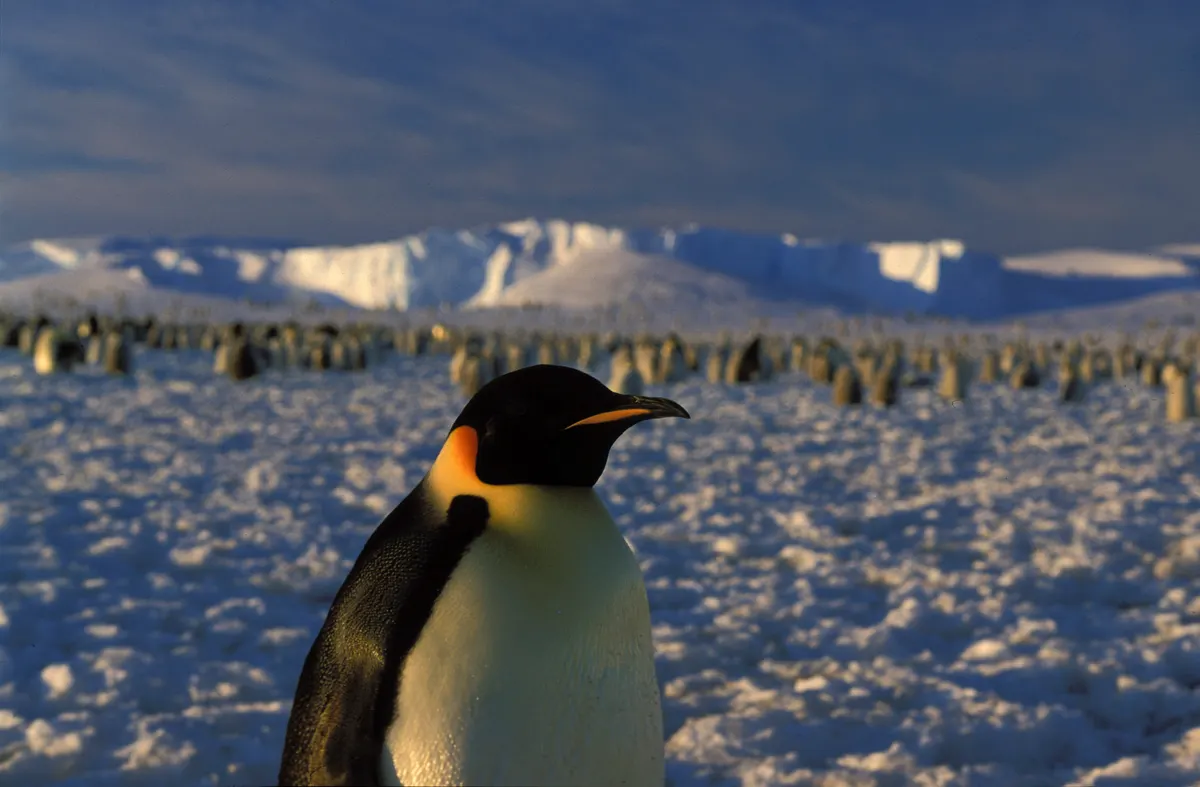
Spheniscidae is the penguin family. Penguins cannot fly through the air, but their rigid flippers produce lift underwater and their streamlined bodies reduce drag while chasing prey. The broad Penguin profile covers the family from Antarctic ice to temperate islands and the Galápagos; the Emperor Penguin profile focuses on the largest living species.

Dense feathers trap insulating air, a fat layer stores energy, and countercurrent circulation reduces heat loss through exposed extremities. Those adaptations vary by climate rather than making every penguin an Antarctic bird.

Start here

Featured species

2 entry points into this cluster — each profile has range, diet, behavior, and conservation detail.

Species directory

All 2 animals in this hub

Flagship species appear first. Open any card for range maps, diet, behavior, and conservation status.

Field guide

Ecology & context

Adaptations, threats, and comparisons — background for readers who want more than the species directory.

Fish, krill, and underwater pursuit

Penguins are carnivores that take fish, krill, squid, and other marine prey. Wings became powerful flippers, while the feet and tail help steer. Dive depth and duration differ widely across the family: small coastal penguins make repeated short trips, whereas emperor penguins can descend far below the surface beneath Antarctic sea ice.

Their distribution depends on productive ocean currents and reliable access between colonies and feeding grounds. A colony on land cannot persist if adults must travel too far to find prey.

Breeding without a typical nest

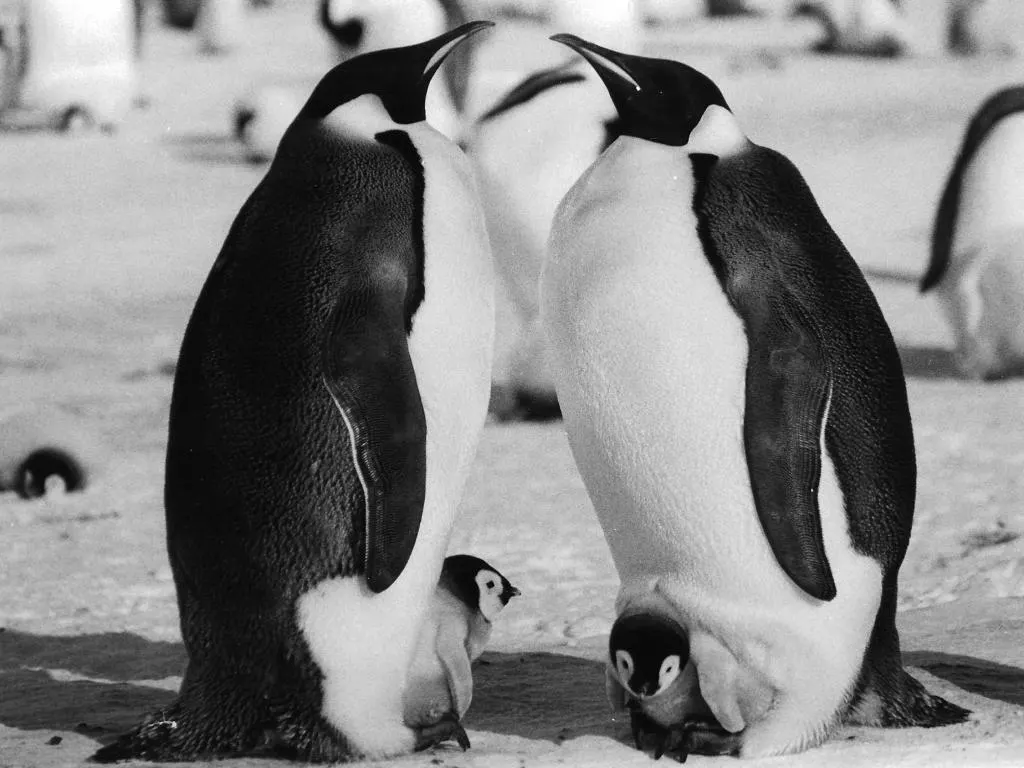
Penguin breeding systems are diverse. Many species nest in burrows, rock scrapes, or sheltered colonies. Emperor penguins breed on winter sea ice; the male balances a single egg on his feet beneath a brood pouch while fasting and huddling against severe weather.

Warming seas, changing ice, fisheries, introduced predators, and extreme weather affect species differently. The emperor penguin's dependence on stable seasonal sea ice makes its breeding cycle especially exposed to rapid climate change.

Common Questions

FAQ about Spheniscidae Animals

Select a question to reveal the answer.

Do all penguins live in Antarctica?

No. Penguins occur across the Southern Hemisphere, including temperate coasts and islands near the equator.

Why can penguins not fly?

Their wings evolved into stiff flippers specialized for propulsion underwater, trading aerial flight for highly efficient swimming.

Where should I start?

Read Penguin for family-wide diversity and Emperor Penguin for winter breeding and deep diving.

Keep exploring

Related hubs

Same cluster, different angle — open a diet or habitat hub to compare species side by side.