
Monodontidae Animals

Families hub

Monodontidae Animals

Compare belugas and narwhals through Arctic anatomy, diving, communication, diet, and conservation.

Species listed
2
Diet mix
2 carnivore
Updated
August 2026

2 related species in this hub

Overview

The Arctic whale family

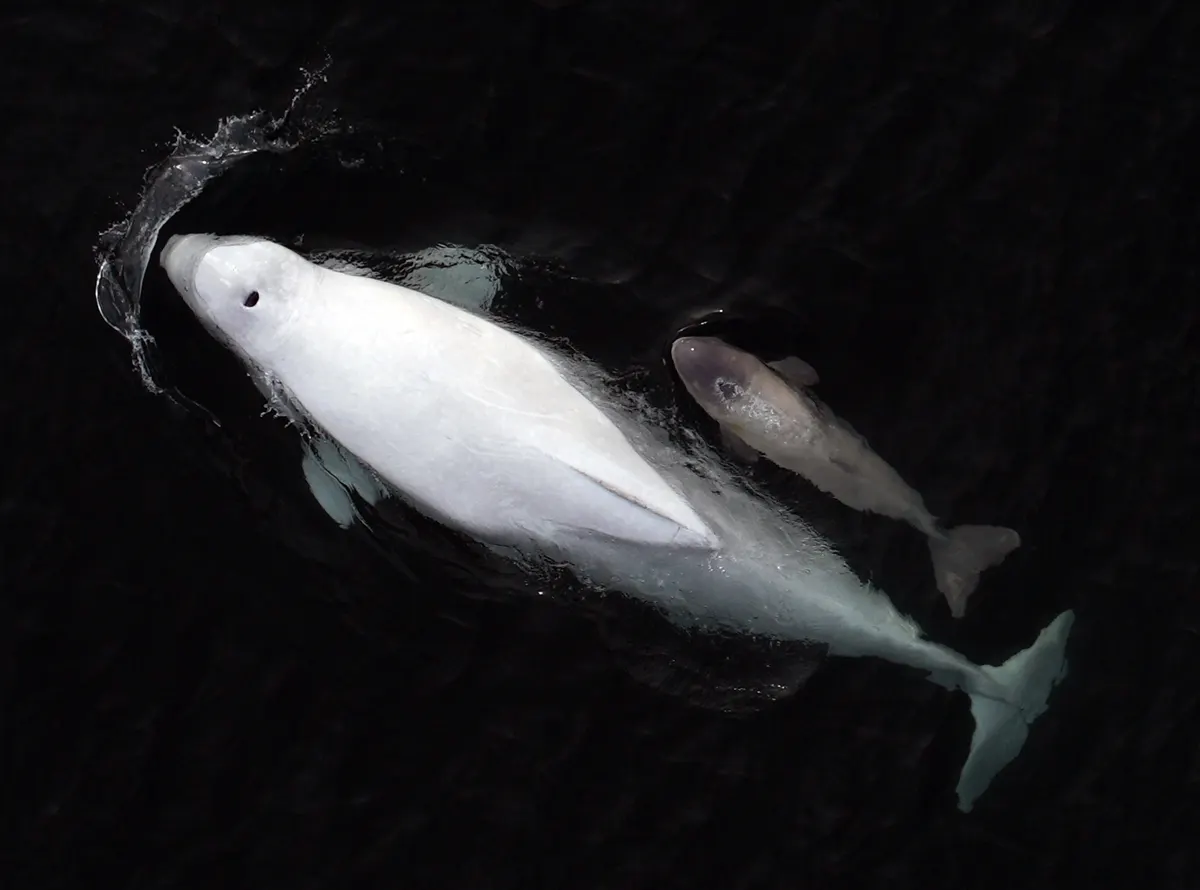
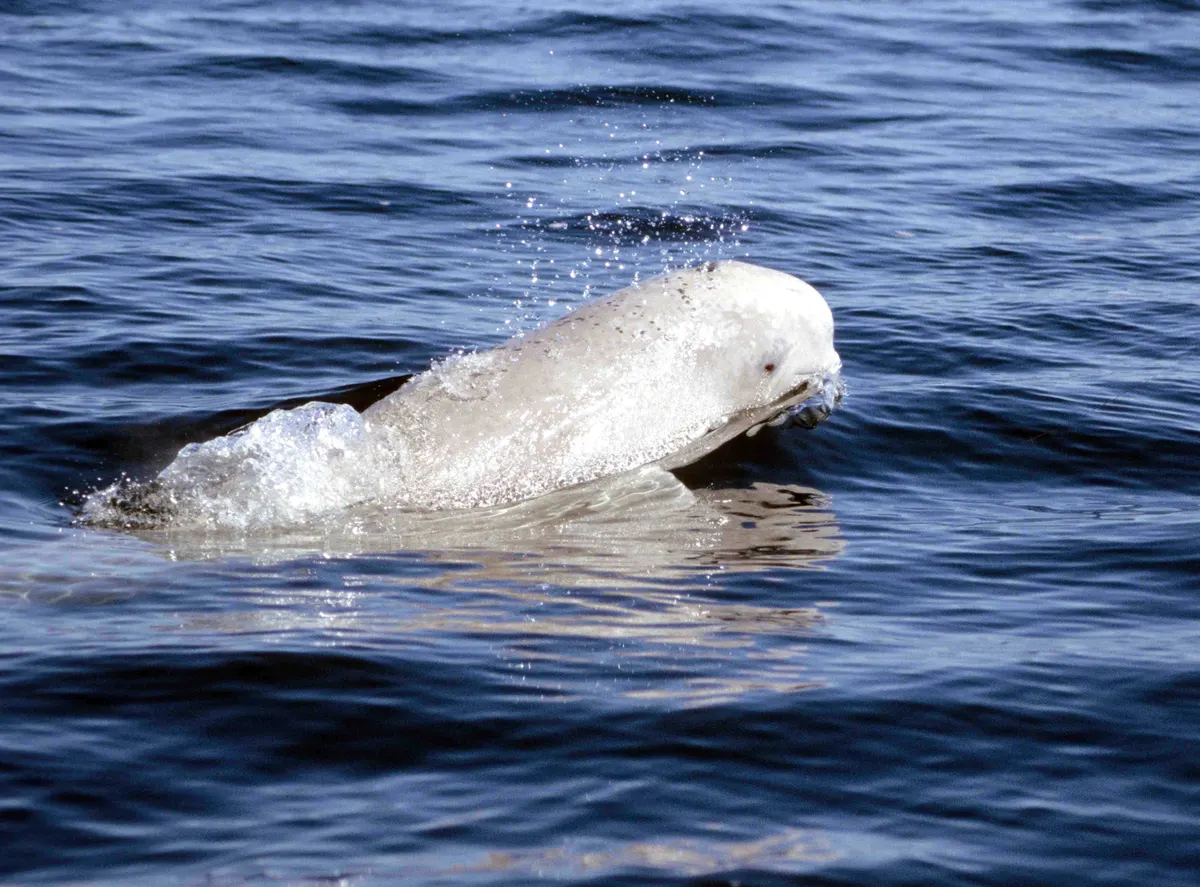
Monodontidae contains two living species: the Beluga Whale and the Narwhal. Both are toothed whales adapted to polar seas, seasonal ice, and long periods of underwater darkness. Thick blubber reduces heat loss, while echolocation helps them navigate and find prey where vision is limited.

Neither has a tall dorsal fin. A low ridge reduces the chance of injury beneath ice and may help the whales move through narrow openings. Their neck vertebrae also remain less fused than in many other whales, allowing noticeable head movement.

Start here

Featured species

2 entry points into this cluster — each profile has range, diet, behavior, and conservation detail.

Species directory

All 2 animals in this hub

Flagship species appear first. Open any card for range maps, diet, behavior, and conservation status.

Field guide

Ecology & context

Adaptations, threats, and comparisons — background for readers who want more than the species directory.

White whale and tusked whale

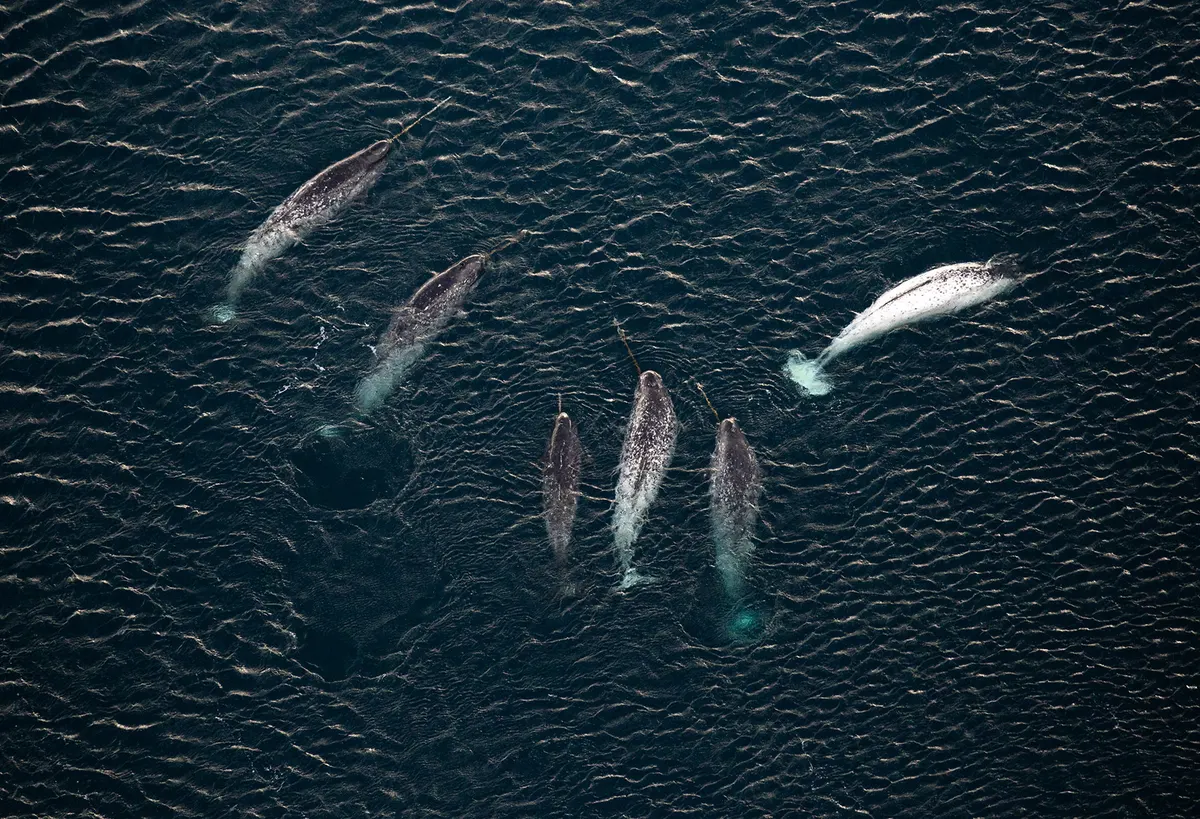
Adult belugas become white and have a rounded forehead called a melon. Narwhals retain mottled gray patterning, and many males grow a long spiral tusk from the left upper tooth. The tusk contains sensory tissue and also plays a role in social signaling; it is not a horn.

The visual contrast is immediate, but their shared ancestry appears in body shape, Arctic range, and sound-based perception. The Beluga vs Narwhal field comparison aligns these features directly.

Diving, feeding, and seasonal routes

Both are carnivores that eat fish and invertebrates. Belugas often use shallow coastal waters and estuaries in summer. Narwhals can make deep dives in offshore Arctic basins, following seasonal routes constrained by sea ice and access to breathing openings.

Conservation must be considered by population rather than appearance alone. Some beluga stocks are stable while others are severely depleted. Narwhals face increasing ship traffic, underwater noise, hunting pressure, and rapid changes in sea-ice conditions.

Common Questions

FAQ about Monodontidae Animals

Select a question to reveal the answer.

Are belugas and narwhals closely related?

Yes. They are the only living members of Monodontidae.

Why do neither species have a tall dorsal fin?

A low dorsal ridge is less exposed beneath sea ice and reduces the chance of damage when the whales move through tight openings.

Where should I start?

Read Beluga Whale for vocal social groups and Narwhal for tusk biology and deep Arctic diving.

Keep exploring

Related hubs

Same cluster, different angle — open a diet or habitat hub to compare species side by side.