
Macropodidae Animals

Families hub

Macropodidae Animals

Compare macropod marsupials through hopping anatomy, pouch development, habitats, and diet.

Species listed
2
Diet mix
2 herbivore
Updated
August 2026

2 related species in this hub

Overview

Kangaroos, wallabies, and their relatives

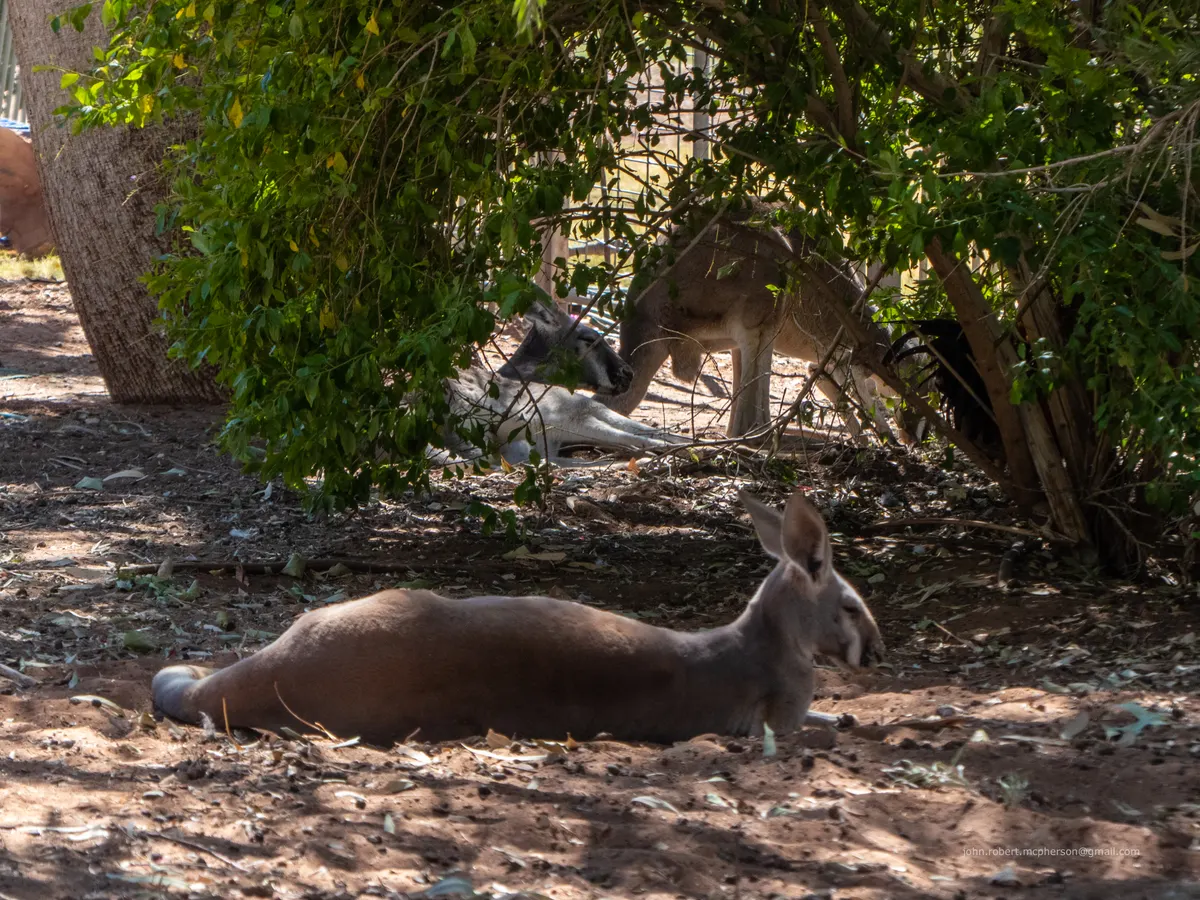
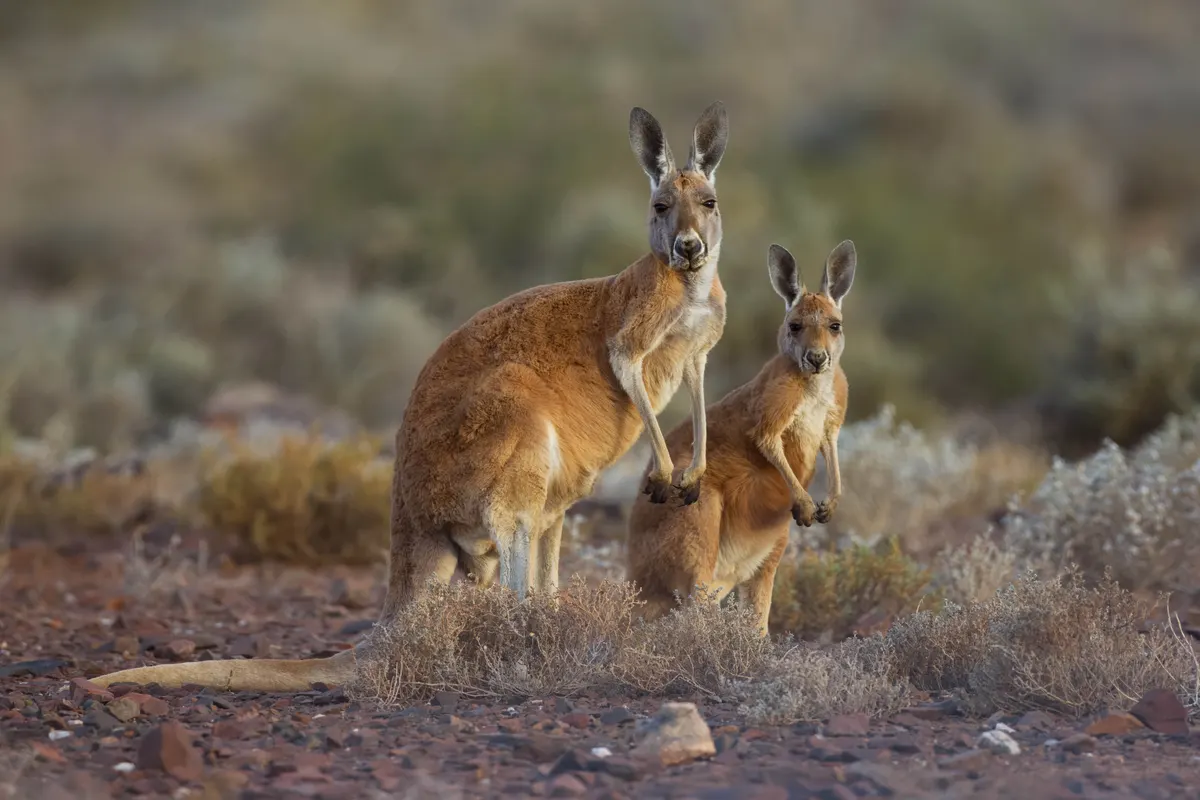
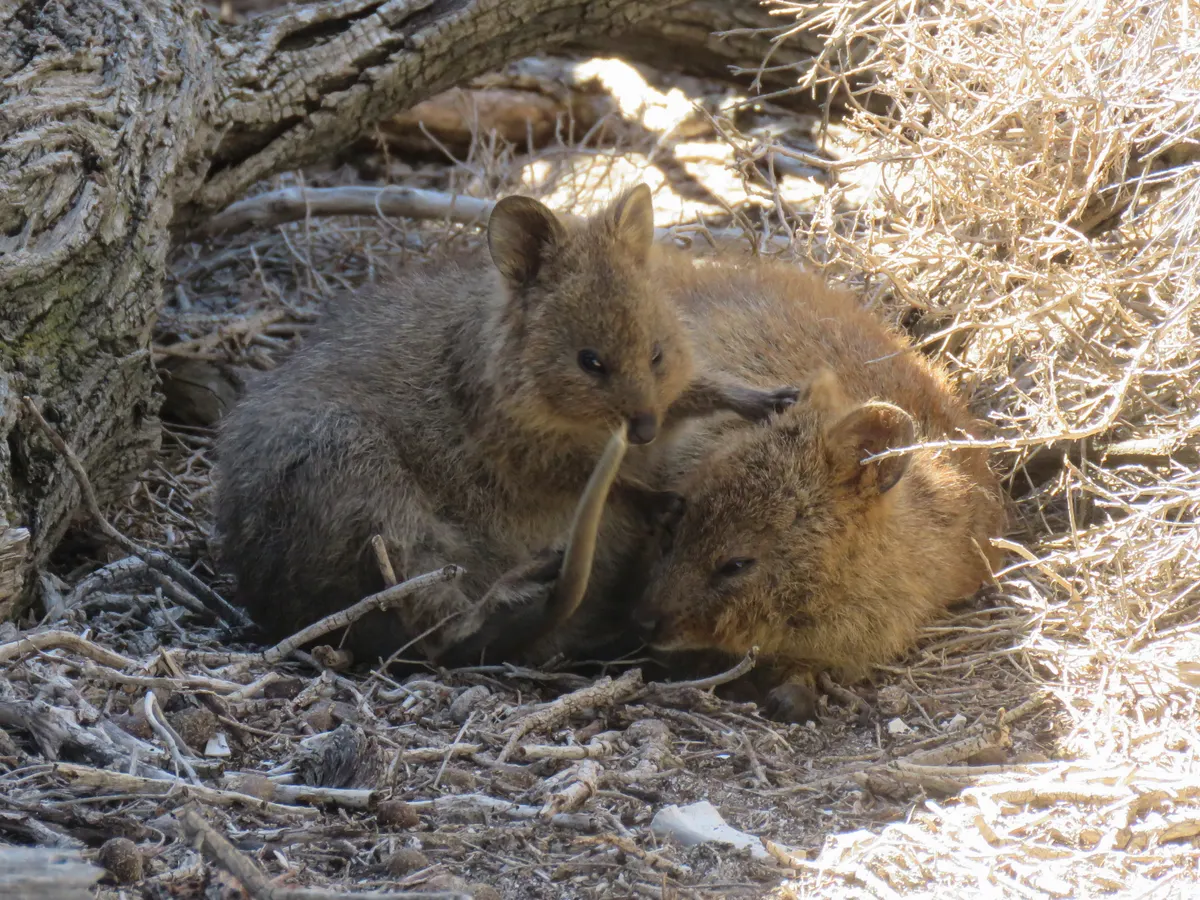
Macropodidae is the marsupial family that includes kangaroos, wallabies, wallaroos, tree-kangaroos, and quokkas. The WildlifeDB profiles show opposite ends of the family's size range: the large Kangaroo and the cat-sized Quokka.

Both rely on enlarged hind limbs, long feet, and a muscular tail, but they use those features at different scales. A red kangaroo can cross open country efficiently with long elastic hops. A quokka makes shorter movements through dense vegetation and island scrub.

Start here

Featured species

2 entry points into this cluster — each profile has range, diet, behavior, and conservation detail.

Species directory

All 2 animals in this hub

Flagship species appear first. Open any card for range maps, diet, behavior, and conservation status.

Field guide

Ecology & context

Adaptations, threats, and comparisons — background for readers who want more than the species directory.

Hopping and energy use

Macropod ankles and hind limbs store and release energy as the animal hops. At speed, this can make long-distance movement efficient, while the tail balances the body in motion. During slow feeding, kangaroos also use the tail as part of a five-limbed gait with the forefeet and hind feet.

Quokkas share the same underlying body plan without the extreme stride length of a red kangaroo. Their compact shape suits tangled cover, where quick turns and short routes matter more than sustained travel across open savanna.

Pouches, joeys, and plant diets

Both species are herbivores. Kangaroos graze grasses and other low vegetation; quokkas browse grasses, leaves, stems, and shrubs. A newborn joey is tiny and undeveloped, completing much of its early growth attached to a teat inside the pouch.

Habitat pressure differs. Red kangaroos remain widespread across dry Australia. Quokkas have a much smaller range in the southwest and are listed as Vulnerable, with fire, habitat change, predators, and isolation affecting mainland populations.

Common Questions

FAQ about Macropodidae Animals

Select a question to reveal the answer.

Is a quokka a small kangaroo?

It is a separate species in the same family, not a juvenile kangaroo. Both are macropod marsupials.

Do all macropods live in open grassland?

No. The family includes species from deserts, forests, rocky slopes, and tropical trees.

Where should I start?

Read Kangaroo for long-distance hopping and Quokka for island ecology and compact forest movement.

Keep exploring

Related hubs

Same cluster, different angle — open a diet or habitat hub to compare species side by side.