
Balaenopteridae Animals

Families hub

Balaenopteridae Animals

Explore rorqual whales through baleen feeding, migration, communication, and conservation profiles.

Species listed
2
Diet mix
2 carnivore
Updated
July 2026

2 related species in this hub

Overview

The rorqual whale family

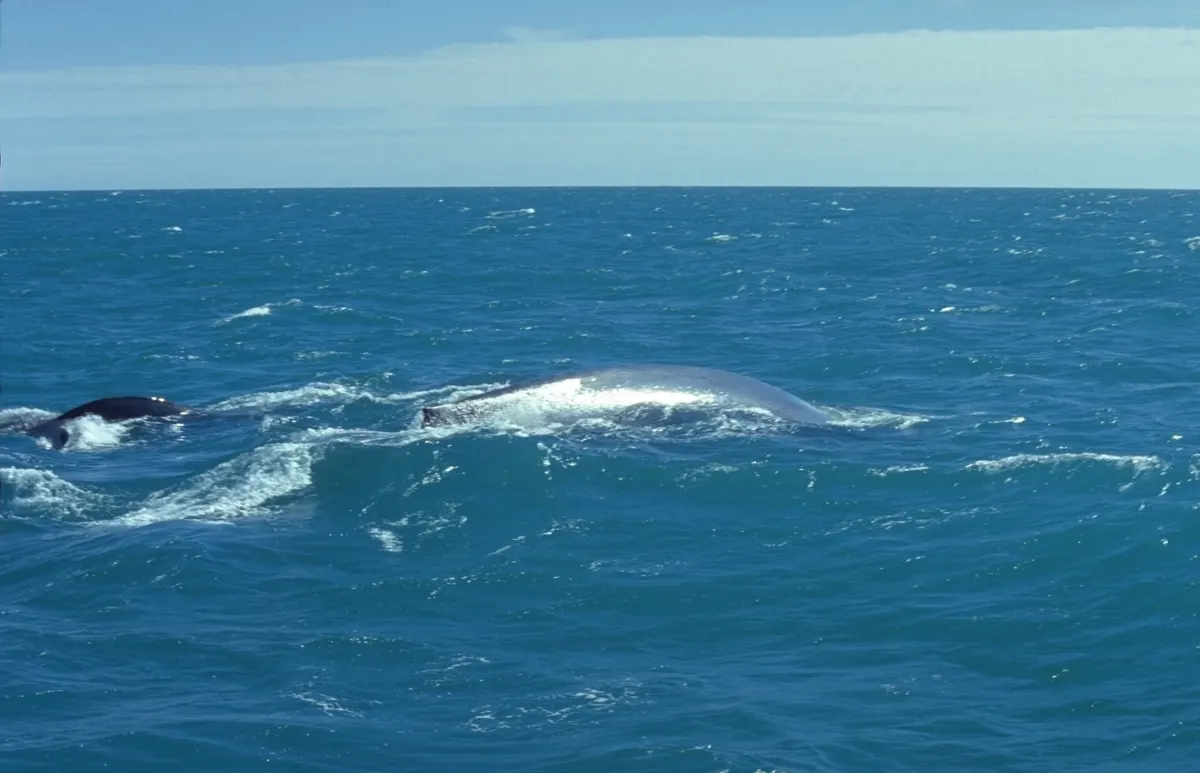
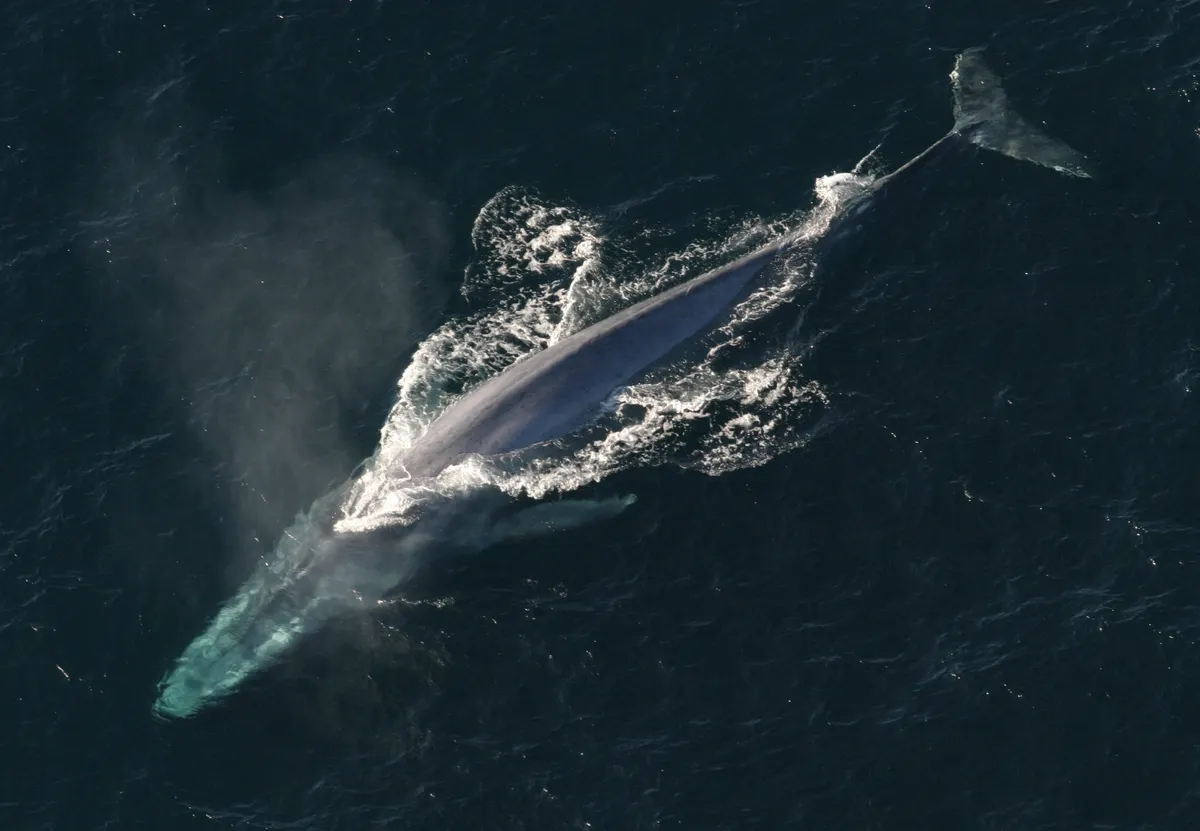
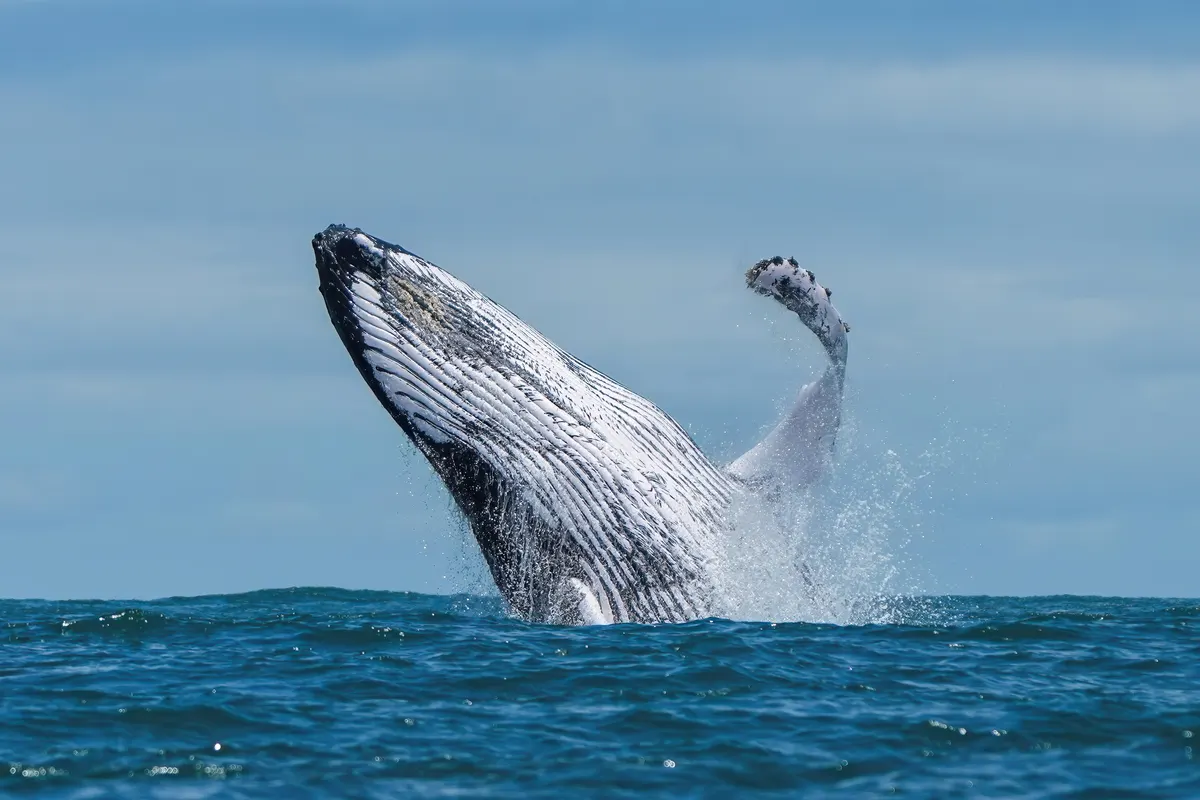
Balaenopteridae contains the rorquals, baleen whales with expandable throat pleats that allow the mouth to take in an enormous volume of prey-filled water. The Blue Whale is the largest animal known to have lived. The Humpback Whale is smaller but more maneuverable, with long flippers and highly varied feeding behavior.

Neither species has teeth. Rows of baleen plates strain food from seawater after a lunge or engulfing pass. This shared feeding system supports two very different ecological styles within the ocean.

Start here

Featured species

2 entry points into this cluster — each profile has range, diet, behavior, and conservation detail.

Species directory

All 2 animals in this hub

Flagship species appear first. Open any card for range maps, diet, behavior, and conservation status.

Field guide

Ecology & context

Adaptations, threats, and comparisons — background for readers who want more than the species directory.

Krill, fish, and feeding technique

Blue whales depend heavily on dense krill patches. Their immense size works only where tiny prey gathers in concentrations rich enough to repay the energy cost of a lunge. Humpbacks eat krill and schooling fish, sometimes coordinating bubble nets or using locally learned strategies to concentrate prey.

Both are carnivores, but the comparison is less about prey size than prey density. Baleen feeding turns many small animals into one energetically worthwhile mouthful.

Migration and communication

These whales connect distant habitats through seasonal travel. Productive high-latitude waters often support feeding, while warmer regions may serve breeding and calving. Humpback songs are especially conspicuous and change over time within populations. Blue whales use powerful low-frequency calls that can travel long distances underwater.

Industrial whaling sharply reduced both species. Humpbacks have recovered in many regions, while blue whales remain Endangered and face ship strikes, entanglement, noise, and changing prey conditions.

Common Questions

FAQ about Balaenopteridae Animals

Select a question to reveal the answer.

What makes a whale a rorqual?

Rorquals have baleen and longitudinal throat pleats that expand during engulfment feeding.

Do blue whales and humpbacks eat the same food?

Their diets overlap on krill. Humpbacks also target schooling fish more often and use a wider range of feeding tactics.

Where should I start?

Read Blue Whale for extreme body size and Humpback Whale for migration, song, and flexible feeding behavior.

Keep exploring

Related hubs

Same cluster, different angle — open a diet or habitat hub to compare species side by side.